Biomass Boiler Efficiency: Moisture, Excess Air and Flue-Gas Losses
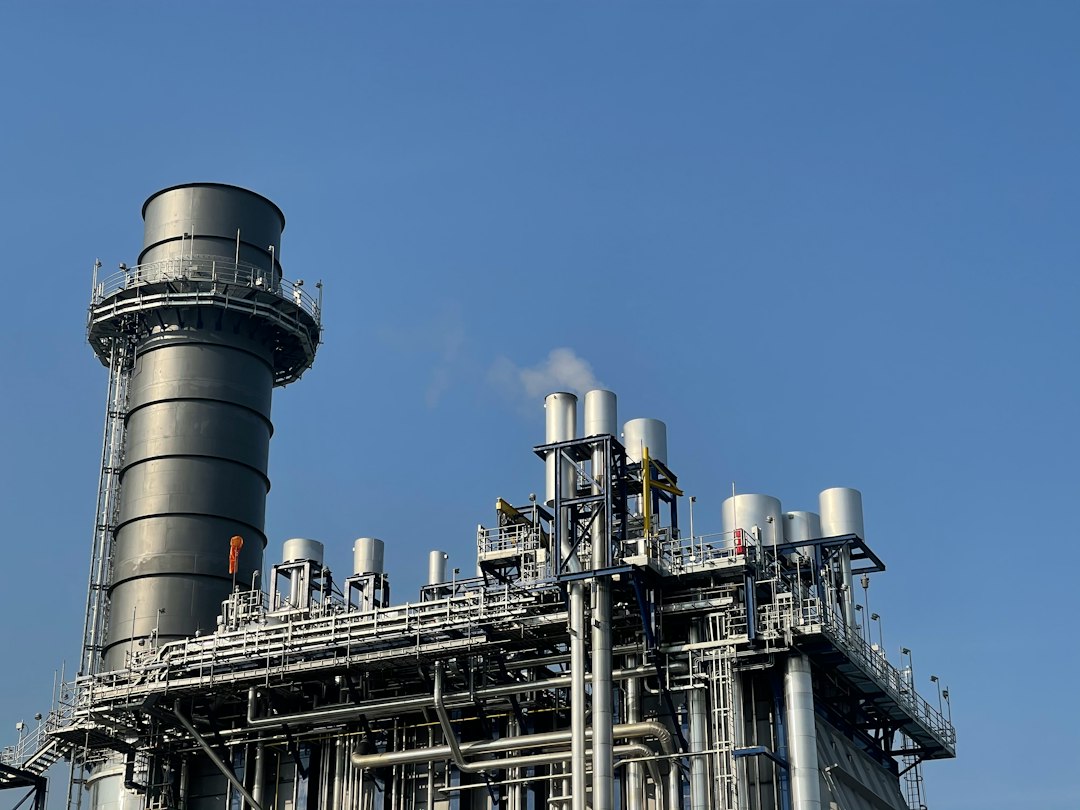
Biomass boiler efficiency is governed as much by fuel condition and combustion control as by the boiler nameplate. Two plants burning the same mass of wood chips can deliver very different useful heat because moisture and flue-gas losses dominate the balance.
In this guide
Direct and indirect efficiency methods
The direct method divides useful heat output by fuel energy input. It is simple but sensitive to flow, temperature and fuel heating-value measurements. The indirect method subtracts individual losses: dry flue gas, water formed from hydrogen, fuel moisture, unburned carbon, radiation and blowdown. Using both methods periodically is a powerful data-quality check.
Why moisture matters
Water in the fuel must be heated and evaporated before useful heat can be transferred. Wet fuel also lowers flame temperature, can destabilize combustion and increases flue-gas volume. Specify moisture on a wet or dry basis explicitly; confusing the two creates large procurement and performance errors. Representative sampling is essential because a surface sample may not describe the pile.
Excess air and oxygen trim
Too little air creates carbon monoxide, smoke and unburned carbon. Too much air carries heat up the stack and increases fan power. Continuous oxygen measurement with calibrated trim control helps maintain the safe minimum excess air across changing fuel quality. CO monitoring adds an early warning that oxygen alone cannot provide.
Stack temperature and fouling
A high stack temperature may signal excess air, dirty heat-transfer surfaces, poor soot-blowing or a mismatch between load and exchanger area. A temperature that is too low can create condensation and corrosion. Trend stack temperature against load and ambient conditions rather than relying on a single alarm value.
Operator improvement checklist
Record fuel moisture and net heating value; verify belt or screw feeder calibration; calibrate O2 and CO sensors; inspect ash for unburned carbon; trend fan power; clean heat-transfer surfaces; check refractory and air leakage; and compare useful heat meters with fuel input. Make one controlled change at a time and preserve a stable baseline.
Engineering takeaway
Use the calculations as a transparent starting point, document assumptions and verify the final design against current manufacturer data, applicable standards and local authority requirements. Field measurements should be traceable and repeatable.
Image credit: Photo by ADIGUN AMPA on Unsplash.
Explore more practical engineering guides in our renewable energy and computer engineering sections.