Hydrogen Safety Distances: What a Hazard Study Must Consider
Hydrogen separation distances depend on releases, ventilation, ignition and risk criteria.
Key engineering points
- Identify credible leaks from valves, hoses, instruments and compressors.
- Model buoyancy together with roofs, canopies and congestion.
- Combine distance with detection, ventilation, isolation and fire protection.
- Document codes, weather cases, occupancy and assumptions.
Practical workflow
Define the system boundary, collect traceable input data and compare alternatives under the same operating conditions. Record assumptions, uncertainty and acceptance criteria before selecting equipment or approving a design.
Common mistake
A headline rating or general rule cannot replace a site-specific calculation. Verify current manufacturer information, applicable standards and local authority requirements, then confirm performance with commissioning measurements.
Field checklist
Check instruments and calibration, normal and abnormal operating modes, maintenance access, alarms, shutdown logic, energy consumption and the records needed for future troubleshooting.
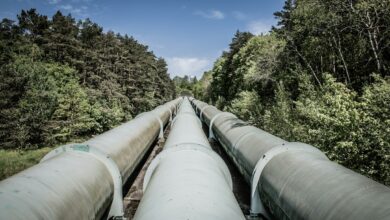
Featured photo by Bernd Dittrich on Unsplash.
Read more in our hydrogen engineering section.