Hydrogen Trains: Energy, Refueling and Route Suitability
Assess hydrogen trains using route energy, storage volume, refueling capacity and lifecycle alternatives.
Key engineering points
- Model gradients, stops, acceleration and seasonal auxiliary loads.
- Convert wheel energy to hydrogen with drivetrain efficiency, reserve and aging margins.
- Size compression and cascade storage for the actual timetable.
- Compare batteries and electrification on the same lifecycle boundary.
Practical workflow
Define the system boundary, collect traceable input data and compare alternatives under the same operating conditions. Record assumptions, uncertainty and acceptance criteria before selecting equipment or approving a design.
Common mistake
A headline rating or general rule cannot replace a site-specific calculation. Verify current manufacturer information, applicable standards and local authority requirements, then confirm performance with commissioning measurements.
Field checklist
Check instruments and calibration, normal and abnormal operating modes, maintenance access, alarms, shutdown logic, energy consumption and the records needed for future troubleshooting.
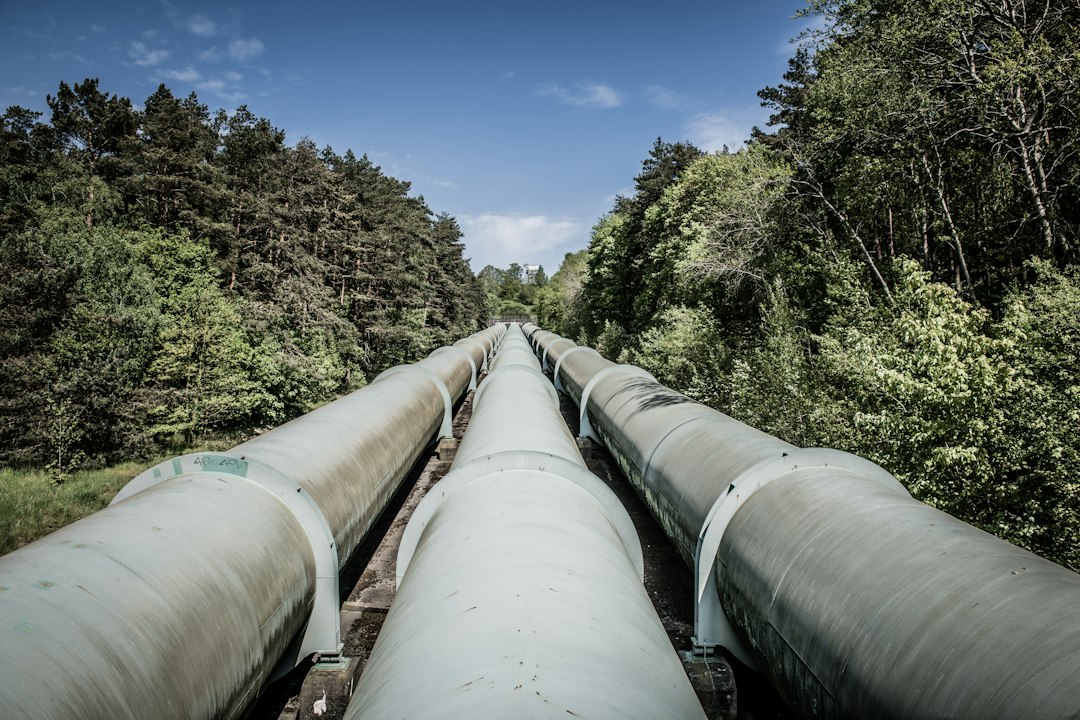
Featured photo by Wolfgang Weiser on Unsplash.
Read more in our hydrogen engineering section.