Anaerobic Digestion Biogas Yield: Feedstock, HRT and Temperature
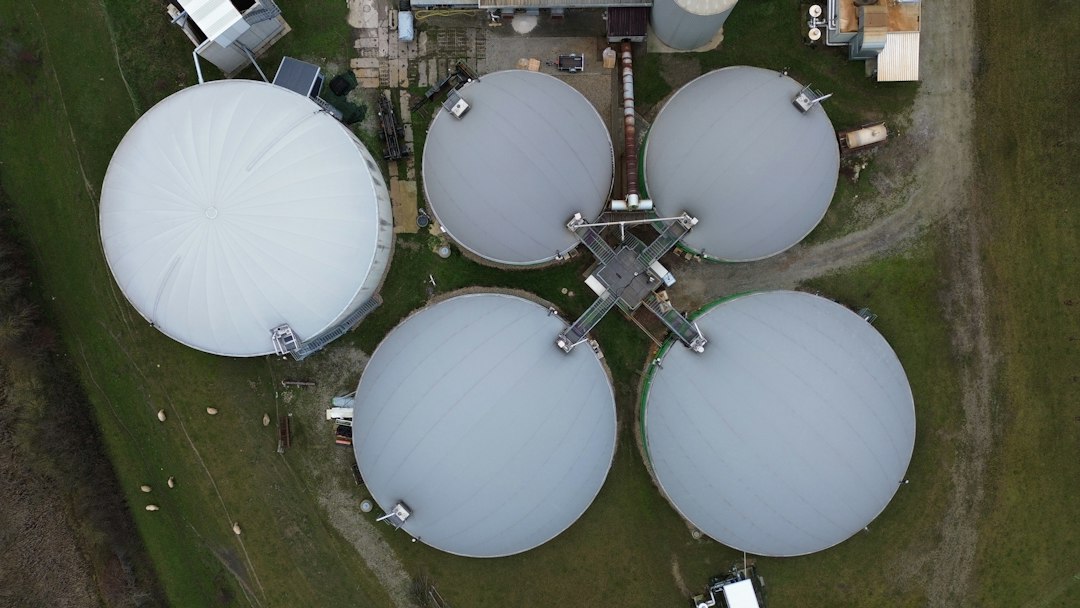
Biogas production is not simply a tank-volume problem. Yield depends on biodegradable volatile solids, microbial balance, temperature, retention time, mixing and the presence of inhibitors. Reliable design begins with feedstock tests and a mass balance.
In this guide
Use the right yield basis
Report gas yield per kilogram of volatile solids added or destroyed, with temperature and pressure normalization. Raw tonnes of feedstock are misleading because water and inert solids vary. Methane percentage matters more than total gas volume when estimating energy output. Laboratory biochemical methane potential is an upper-bound indicator, not a guaranteed full-scale result.
Organic loading and retention time
Organic loading rate links daily volatile-solids input to active digester volume. Hydraulic retention time is volume divided by daily liquid flow. Raising loading can increase production until acid-forming organisms outpace methane-formers; volatile fatty acids then accumulate and pH may fall. Solids retention can differ from hydraulic retention in some reactor designs.
Temperature and stability
Mesophilic operation is generally more tolerant of disturbances, while thermophilic operation can increase reaction rates and pathogen reduction but requires tighter control. Rapid temperature swings are harmful even if the final temperature is within a valid range. Insulation, heat recovery and mixing design should be evaluated together.
Early warning indicators
Track methane fraction, pH, alkalinity, volatile fatty acids, gas flow, hydrogen sulfide, ammonia, feed solids and temperature. A stable pH can hide declining buffer capacity, so the VFA-to-alkalinity trend is valuable. Sudden foaming, falling methane content or rising CO2 may precede a major upset.
From gas to useful energy
Deduct parasitic loads for mixing, pumps, gas cleanup, compression and heating. Select CHP, boiler upgrading or grid injection based on local heat demand and gas quality requirements. Include planned downtime, flare capacity and digestate handling in the economic model. A high theoretical methane yield is not enough if the site cannot use the heat.
Engineering takeaway
Use the calculations as a transparent starting point, document assumptions and verify the final design against current manufacturer data, applicable standards and local authority requirements. Field measurements should be traceable and repeatable.
Image credit: Photo by Julia Koblitz on Unsplash.
Explore more practical engineering guides in our renewable energy and computer engineering sections.