Heat Pump COP Explained: Electricity Use, Cold Weather and a Worked Example
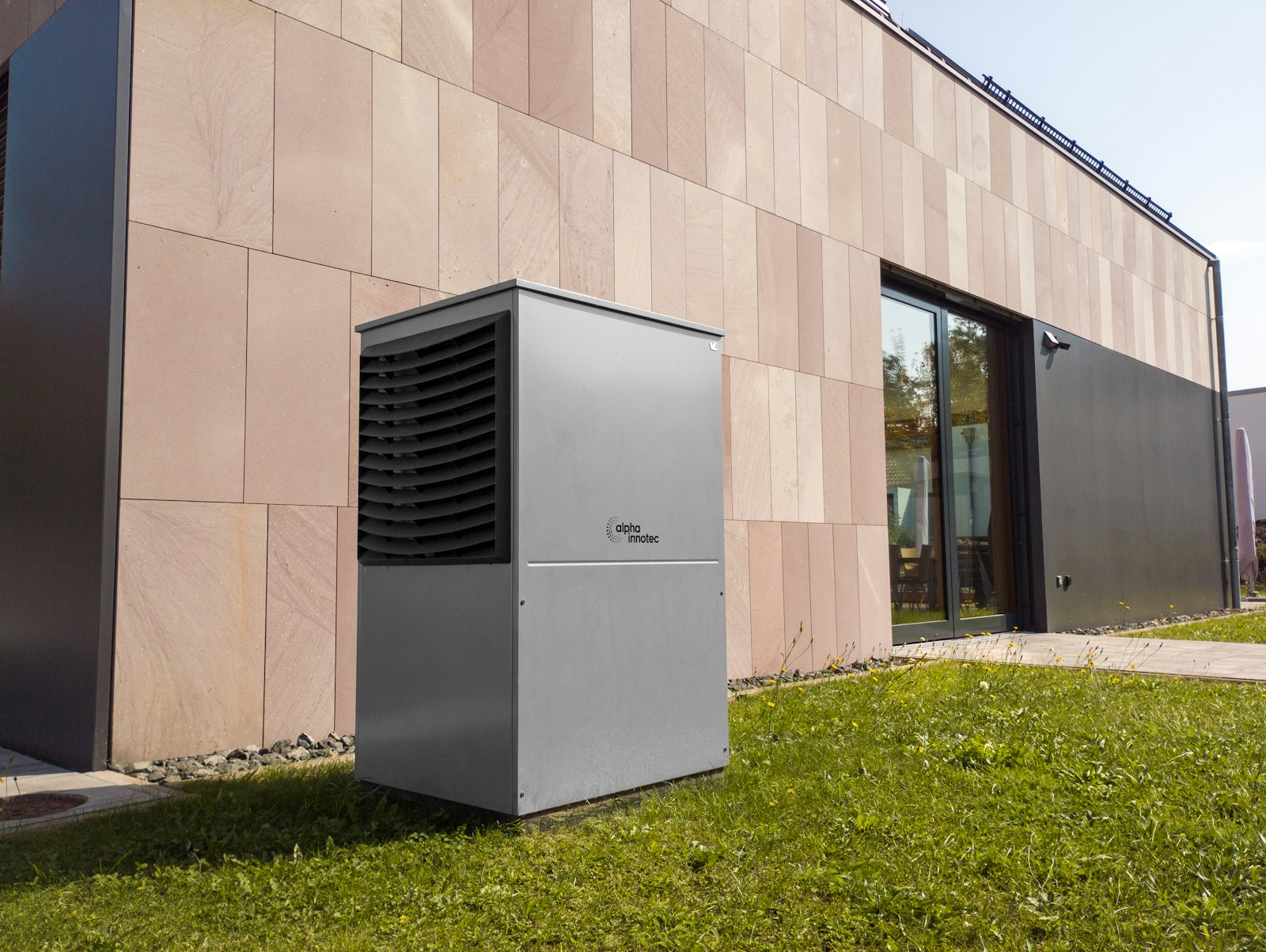
Quick answer: heat-pump coefficient of performance (COP) is useful heat delivered divided by electrical energy consumed, using the same units. A COP of 3 means 3 kWh of heat is delivered for each 1 kWh of electricity at that operating condition. It is not a fixed annual efficiency.
The basic equation
COP = useful heating output / electrical input
The U.S. Department of Energy defines COP as produced heating or cooling effect divided by net work input. “Net” matters: fans, pumps, crankcase heaters, defrost and controls may be included differently in laboratory ratings and field meters.
Worked home-heating example
A building needs 48 kWh of heat during a cold day. If the heat pump averages COP 3.2, compressor-system electricity is 48/3.2 = 15 kWh. If auxiliary pumps and controls consume another 1.2 kWh, total electricity is 16.2 kWh and the whole-system COP is 48/16.2 = 2.96.
If outdoor temperature falls and average COP drops to 2.2, the same 48 kWh heat demand requires 21.8 kWh before auxiliaries. This is why a single brochure COP cannot predict a bill.
Why cold weather changes COP
A heat pump moves heat from a colder source to a warmer sink. As the temperature lift increases, compressor work rises and achievable COP falls. Air-source units also need defrost when frost restricts the outdoor coil. Ground-source systems usually see a more stable source temperature but require circulation pumps and a ground loop.
COP versus SCOP, SEER and SPF
- COP: one rating or operating point.
- SCOP: seasonal coefficient based on a defined climate and test procedure.
- SPF: seasonal performance factor measured across a chosen real-system boundary.
- SEER: seasonal cooling efficiency under a specified method.
Never compare values unless climate, flow temperature, test standard and system boundary match.
Supply temperature matters
Low-temperature floor heating or oversized radiators let the heat pump operate with lower condensing temperature than small radiators designed for very hot water. Before replacing a boiler, calculate room-by-room heat loss and verify emitter output at the proposed water temperature.
Simple annual estimate
If annual useful heat demand is 12,000 kWh and seasonal whole-system performance is 3.0, electricity is about 4,000 kWh. Add backup resistance heat separately. If 8% of annual heat is supplied by resistance at COP 1 and the remaining 92% by the heat pump at COP 3.2, electricity is 960 + 3,450 = 4,410 kWh.
Selection checklist
- Use local design outdoor temperature and a room-by-room heat-loss calculation.
- Check capacity and COP at the required supply-water temperature.
- Confirm whether backup heat is included in published seasonal figures.
- Check sound limits, electrical supply, condensate drainage and refrigerant safety.
- Model domestic hot-water temperature and legionella cycle separately.
- Plan commissioning measurements: flow, temperature difference and electrical input.
FAQ
Can COP exceed 100%?
COP is not combustion efficiency. It can exceed 1 because electricity drives heat transfer rather than creating all heat directly.
Does COP 4 mean four times lower bills?
Not automatically. Tariffs, auxiliary loads, backup heat, building losses and seasonal operating conditions matter.
Is a larger heat pump always safer?
No. Oversizing can increase cycling, cost and noise. Size from heat loss and equipment modulation range.
Explore Engineering Applications and our Science articles. Reference: DOE efficiency definitions. Photo: alpha innotec via Unsplash.