Engineering Applications
-
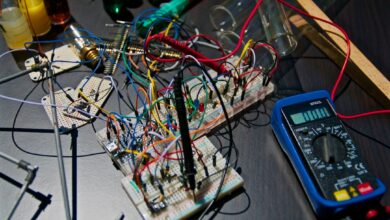
Three-Phase Power Calculation: kW, kVA, Current and Power Factor
Calculate balanced three-phase kW, kVA and line current correctly, with a worked 400 V example, unit checks and practical limitations…
Read More » -

Workplace EV Charging: How to Size the Electrical Supply
Sizing workplace charging by multiplying every outlet by its nameplate power usually overstates demand. A better design starts with parking…
Read More » -

EV Charger Load Management for Apartments and Workplaces
Dynamic load management allows multiple chargers to share limited electrical capacity without creating a costly new peak. The design must…
Read More » -
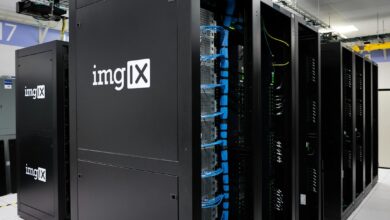
UPS Runtime Calculation: Battery Sizing, Losses and a Worked Example
Calculate realistic UPS runtime from protected load, conversion losses, discharge data, temperature and aging—then verify the result with a practical…
Read More » -
Data Center Power Chain Explained: Utility to Rack PDU
The data-center power chain links utility supplies, generators, switchgear, UPS systems, distribution units and rack PDUs. Reliability depends on understanding…
Read More » -

DEWA EV Charger Installation and Approval Checklist 2026
Quick answer: A Dubai EV-charging project should start by identifying whether it is private or public, the charger type and…
Read More » -
حساب سعة UPS والبطاريات: مثال 120 kW وزمن تشغيل 15 دقيقة
طريقة عملية لحساب قدرة UPS وطاقة البطاريات وزمن التشغيل، مع مثال حمل 120 kW لمدة 15 دقيقة وشرح kW وkVA…
Read More » -
توزيع الطاقة في مراكز البيانات: دليل UPS والمولدات وN+1 و2N
دليل عملي لتصميم توزيع الطاقة في مراكز البيانات: مسار القدرة، UPS والبطاريات والمولدات، الفرق بين N وN+1 و2N، مثال حسابي،…
Read More » -
Data Center Electrical Losses: From Utility Meter to Rack Input
A boundary-based method for tracing transformer, UPS and distribution losses without confusing PUE and component efficiency.
Read More » -
A/B Power Paths in Data Centers: Redundancy Without Hidden Common Points
How to review A/B power paths, dual-corded racks, static transfer switches and hidden common-mode failures.
Read More »