Power Cables
-

The Unseen Foundation: Why the Cable Basement is the True Heart of Reliability
In the world of industrial operations, two spaces define an organization’s relationship with risk and reliability: the control room and…
Read More » -

Cable Laying: The Unsung Foundation of Plant Reliability
In the intricate ecosystem of an industrial facility, cables are easy to overlook. They line trays and tunnels in familiar…
Read More » -

The Cable Tray: The Most Ignored System in Every Plant
In the cathedral-like expanse of an industrial plant, attention flows to the giants: the roaring turbines, the humming transformers, the…
Read More » -
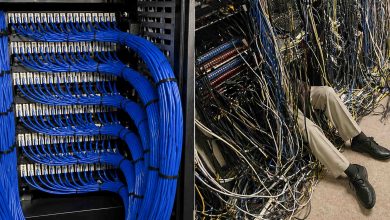
Cable Management: Don’t Let Mess Cost You Efficiency
A tangled mess of cables isn’t just an eyesore — it’s a safety hazard, a potential reliability killer, and a…
Read More » -
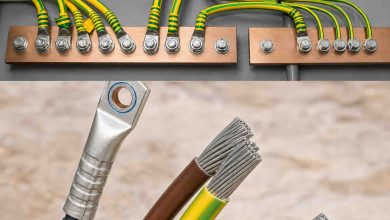
Sizing of Neutral Conductors: A Comparative Analysis of AS/NZS 3000 and IEC 60364-5-52 Standards
AbstractThe neutral conductor, connected to the system neutral point, is integral to electrical circuits for carrying current under normal operating…
Read More » -
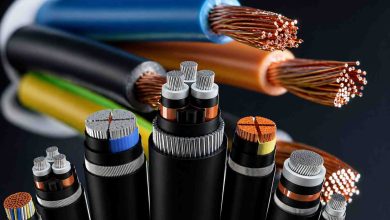
Voltage Drop Limitations in Low-Voltage Electrical Installations
Standards Governing Voltage Drop CalculationsThe following provisions are derived from the regulatory framework and operational conditions specified within Australian and…
Read More » -
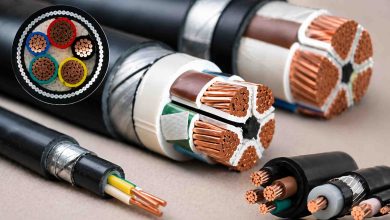
Derating Factors for Cable Current-Carrying Capacity
AbstractThis document examines the critical influence of installation and environmental conditions on the current-carrying capacity (ampacity) of electrical cables. The…
Read More » -
Updated Wiring Regulations and Implications for Cable Current-Carrying Capacity Calculations
The 2018 edition of AS/NZS 3000 introduces several amendments that influence the determination of cable current ratings. These changes necessitate…
Read More » -
HV Cable Sheath Bonding: Solid, Single-Point and Cross-Bonding
A practical guide to HV cable sheath bonding: compare solid, single-point and cross-bonding, then check induced voltage, circulating current, link…
Read More »