SF6-Free Medium-Voltage Switchgear: EU 2026 Rules and an Engineering Checklist
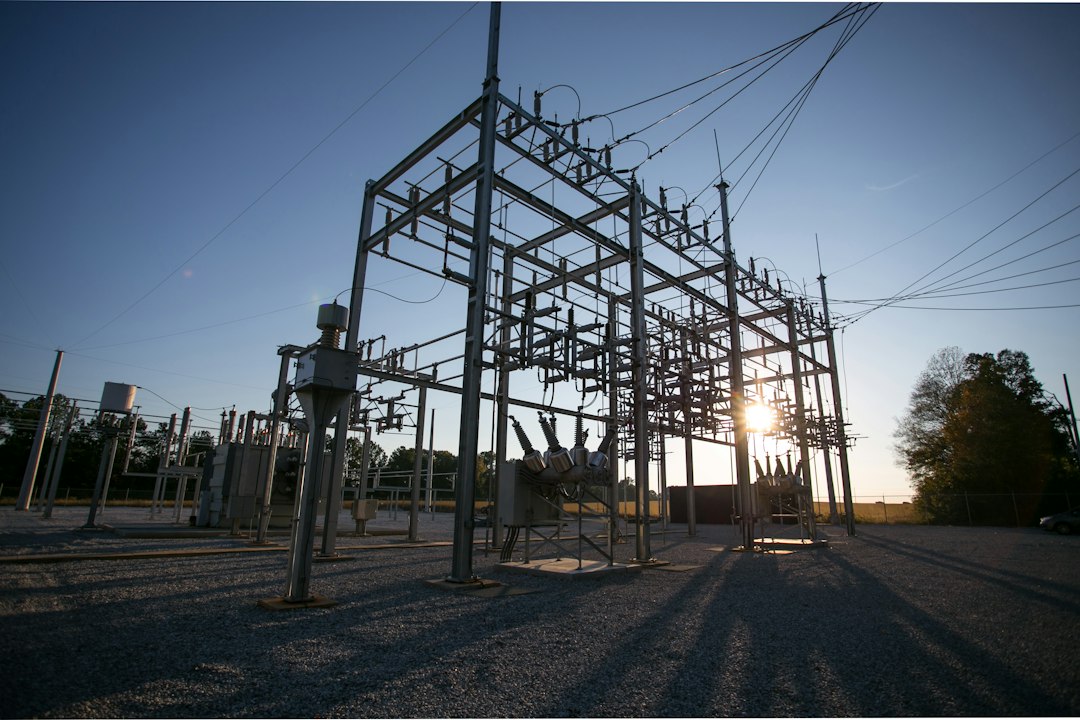
The European switchgear market is moving away from sulfur hexafluoride (SF₆), a technically effective insulating gas with a very high climate impact. For engineers specifying new medium-voltage equipment, the important question is no longer simply “SF₆ or air?” It is how to compare sealed-for-life alternatives, verify ratings, plan maintenance, and write a tender that remains compliant throughout the project timeline.
Why SF₆ has been widely used
SF₆ combines high dielectric strength, strong arc-quenching performance and chemical stability. It enabled compact gas-insulated switchgear (GIS) and ring-main units with predictable performance in polluted, humid and space-constrained locations. Those engineering benefits explain its long service history—but they do not remove the climate impact of leakage, handling losses and end-of-life gas recovery.
EU switchgear milestones engineers should know
Article 13(9) of Regulation (EU) 2024/573 sets different dates for putting relevant equipment into operation. The consolidated text and corrigenda should be checked for every live project.
| Equipment range | General prohibition date stated in Article 13(9) |
|---|---|
| Medium voltage, primary and secondary distribution, up to and including 24 kV | 1 January 2026 |
| High voltage, more than 52 kV up to and including 145 kV, up to and including 50 kA | 1 January 2028 |
| Medium voltage, more than 24 kV up to and including 52 kV | 1 January 2030 |
| High voltage above 145 kV or above 50 kA | 1 January 2032 |
The exact legal test is more detailed than this summary. Procurement teams must review the definitions, GWP thresholds, derogations, ordering dates and evidence requirements in the official text. The Regulation also states that from 1 January 2035, SF₆ used for servicing electrical switchgear generally must be reclaimed or recycled, subject to specified exceptions.
What “SF₆-free” can mean
The label covers several architectures, so it is not enough for a tender by itself:
- Clean-air insulation: mixtures based mainly on nitrogen and oxygen, often combined with vacuum interruption.
- Solid insulation: epoxy or other solid dielectric systems, sometimes with screened components.
- Natural-origin gas or low-GWP mixtures: designs that reduce climate impact but may still involve a fluorinated component.
- Conventional air-insulated switchgear: larger clearances, familiar components and accessible maintenance.
- Hybrid designs: vacuum interrupters with gas or solid insulation around the main circuit.
Engineers should request the identity and GWP of every insulating and breaking medium, not just accept a marketing name.
Vacuum interruption versus gas insulation
Many modern designs separate two functions: a vacuum interrupter clears load and fault current, while air, clean air or solid material provides insulation to earth and between phases. Vacuum technology is mature in medium-voltage circuit breakers, but the complete panel still needs verification for dielectric performance, internal arc classification, temperature rise, mechanical endurance and environmental conditions.
A practical specification checklist
| Specification item | What to request |
|---|---|
| Rated voltage and insulation level | Ur, power-frequency withstand and lightning impulse withstand values |
| Short-circuit duty | Rated breaking current, peak making current and short-time withstand duration |
| Internal arc | IAC classification, accessibility type, arc current, duration and installation conditions |
| Service continuity | LSC category and partition class appropriate to maintenance strategy |
| Environmental limits | Altitude, ambient temperature, humidity, pollution and condensation provisions |
| Insulating medium | Composition, GWP, sealed pressure system, monitoring and end-of-life process |
| Dimensions | Panel footprint, cable bending space, pressure-relief path and room clearances |
| Digital interfaces | Protection protocol, IEC 61850 requirements, sensors and cybersecurity controls |
Do not copy an SF₆ panel specification unchanged
A direct “same dimensions, same ratings, different gas” replacement may eliminate valid options. Clean-air equipment can have a different footprint, pressure-relief arrangement or cable termination geometry. Start with the system requirements and room constraints, then let qualified manufacturers demonstrate compliance. Where a retrofit must fit an existing room, confirm transport paths, foundation loads, cable trenches and arc-duct routing early.
Internal arc safety remains a separate decision
Removing SF₆ does not automatically make switchgear arc-safe. Internal arc performance depends on enclosure strength, pressure relief, installation geometry and test classification. Specify which sides are accessible to personnel, the required arc current and duration, and whether the tested arrangement includes the intended ducts, walls and ceiling clearances.
Lifecycle comparison: beyond purchase price
A useful comparison should include:
- Initial switchgear and civil-work cost.
- Room area and ventilation or pressure-relief modifications.
- Inspection intervals and specialist tools.
- Availability of trained service personnel and spare parts.
- Expected leakage checks and reporting obligations.
- Energy losses of the complete assembly.
- End-of-life dismantling, medium recovery and documentation.
- Cost of outages if a sealed module must be replaced rather than repaired.
Example: 20 kV distribution project
Consider a new 20 kV indoor substation scheduled for energisation in mid-2027. Because its rated voltage is within the up-to-24 kV band, the project team should treat the 1 January 2026 milestone as a core procurement constraint rather than wait until commissioning.
- Define the required 20 kV ratings, fault level, IAC class and feeder functions.
- Ask bidders to state every insulating and breaking medium and its GWP.
- Require a declaration explaining compliance with Regulation (EU) 2024/573 for the planned putting-into-operation date.
- Compare clean-air, solid-insulated and air-insulated options on complete lifecycle cost.
- Verify room dimensions, cable interfaces and pressure-relief design before contract award.
- Retain procurement and compliance evidence in the project technical file.
Existing SF₆ assets are not automatically obsolete
The phase-down rules for new equipment do not mean every existing SF₆ panel must be removed immediately. Operators still need disciplined leak prevention, inventory control, competent handling, recovery and end-of-life planning. The 2035 servicing rule makes reclaimed or recycled SF₆ particularly important, with exceptions described in the Regulation.
Questions to ask manufacturers
- What is the exact composition and GWP of the insulating medium?
- Is interruption performed in vacuum, gas or another medium?
- Which IEC type-test reports cover the offered configuration?
- What happens if pressure or insulation monitoring indicates a problem?
- Can one functional unit be replaced without a long busbar outage?
- What are the altitude correction limits?
- What end-of-life recovery procedure and documentation are supplied?
- Which product declarations support EU F-gas compliance?
Common procurement mistakes
- Using “SF₆-free” as the only environmental requirement.
- Confusing a low-GWP fluorinated mixture with a non-fluorinated medium.
- Checking the purchase date but ignoring the putting-into-operation date.
- Assuming all derogations apply automatically without documented evidence.
- Comparing panel prices while excluding building modifications and service strategy.
- Failing to verify the precise configuration covered by type-test certificates.
Frequently asked questions
Is clean-air switchgear physically larger?
Sometimes, but not always. The answer depends on voltage, insulation level, architecture and manufacturer. Compare certified dimensions for the exact rating rather than relying on a general assumption.
Does SF₆-free mean maintenance-free?
No. Sealed insulation can reduce gas-related work, but mechanisms, interlocks, protection systems, cable compartments and environmental conditions still require inspection and testing.
Can an existing SF₆ substation be extended?
Possibly, but the answer depends on the equipment, project date, interfaces and applicable legal provisions. An extension may require a transition panel or a new section with different technology. Obtain project-specific legal and engineering review.
Conclusion
SF₆-free switchgear selection is a system-design exercise, not a one-line material substitution. Start with the required electrical and safety performance, identify the exact insulating medium, apply the correct EU timeline, and compare lifecycle serviceability. A clear tender and early room-layout review will reduce both compliance risk and late redesign.
Official reference
Regulation (EU) 2024/573 on fluorinated greenhouse gases — consolidated text on EUR-Lex. Engineers should verify the current consolidated version and national implementation before procurement.
Featured photo: American Public Power Association via Unsplash. This article is educational engineering guidance, not legal advice.