Benefits and Risks of Buying Remanufactured Transformers
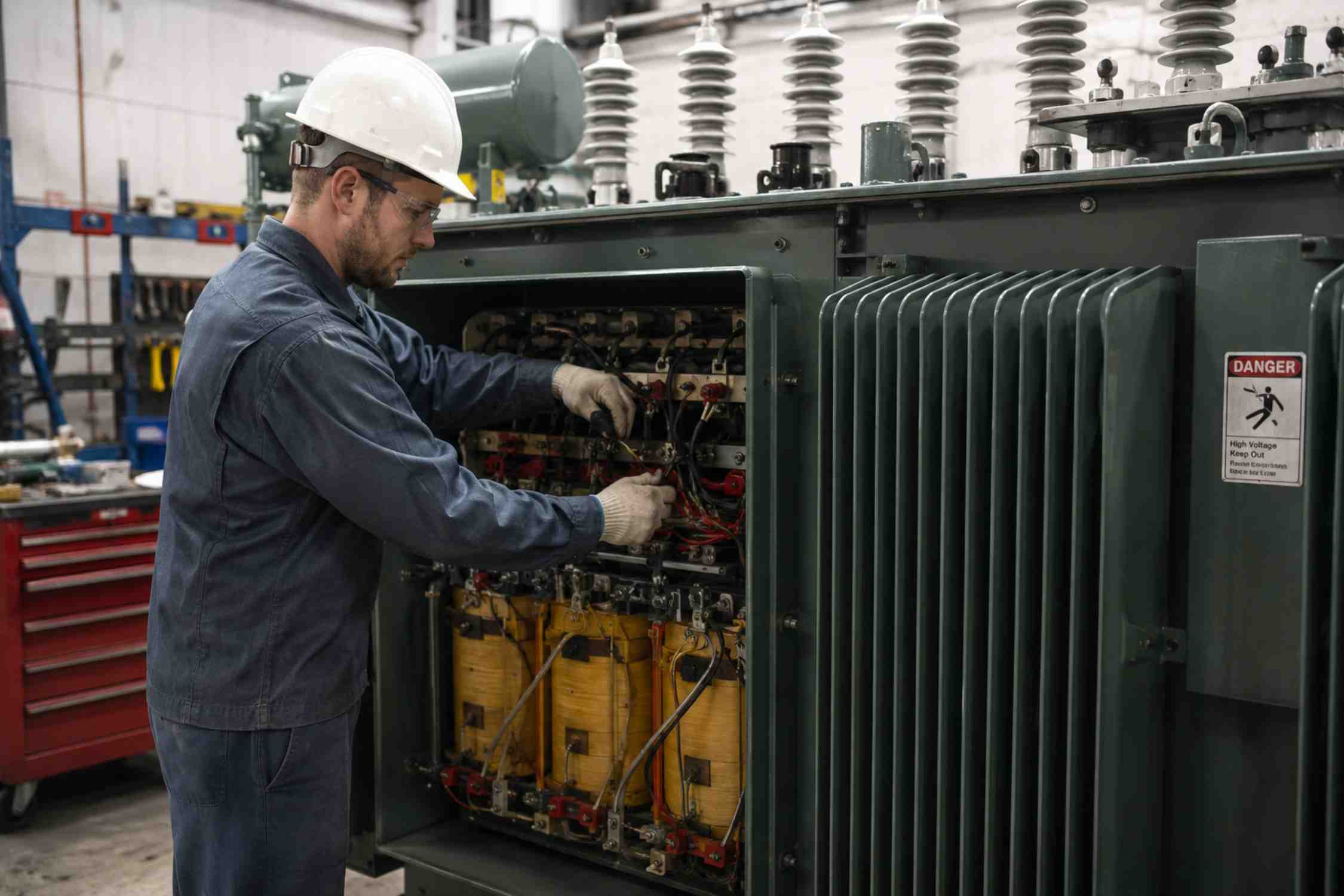
When purchasing a transformer, many buyers ask the same question: Is it safe to buy a remanufactured unit, or should I only consider new equipment?
The truth is, remanufactured transformers can be a reliable, cost-effective, and safe solution—especially when sourced from a reputable rebuilder. In many cases, they offer significant advantages over buying new.
Why Transformer Remanufacturing Makes Sense
Not every industrial product is suitable for remanufacturing. For the process to be practical and economically viable, the equipment should meet a few important criteria:
- It shouldn’t become obsolete quickly
- It shouldn’t wear out easily during normal use
- Rebuilding it should cost far less than manufacturing a new one
Transformers check all three boxes.
Although manufacturing methods have improved over the years, the basic operating principle of transformers has remained largely unchanged since their invention. They rely on electromagnetic induction and contain no moving parts, which means there’s very little mechanical wear over time.
That durability is one of the main reasons transformers often remain in service for 30 years or more with only minimal maintenance. In many cases, repairs are straightforward and affordable unless the unit requires a complete coil rewind.
With that in mind, let’s look at the key benefits and potential risks of buying a remanufactured transformer.
The Benefits of Remanufactured Transformers
1. Faster Delivery Times
One of the biggest advantages of remanufactured transformers is availability.
New transformer lead times in the U.S. can range anywhere from 10 to 30 weeks, depending on market demand and supply chain conditions. For emergency replacements or time-sensitive projects, waiting months simply isn’t realistic.
Remanufactured transformers, on the other hand, can often be delivered within 1 to 3 weeks.
Because the U.S. electrical distribution system uses a wide variety of voltages and configurations, many transformers are still built to order. Maintaining inventory for every possible specification is difficult and expensive for manufacturers and distributors. Rebuilders help fill that gap by stocking a broad range of transformer types ready for refurbishment and quick deployment.
2. Lower Upfront Costs
Cost savings are another major reason companies choose remanufactured equipment.
In general, remanufactured transformers cost between 10% and 40% less than new units. While newer transformer models may offer slight efficiency improvements, the real-world energy savings are usually too small to justify the significantly higher purchase price.
Efficiency standards introduced in recent years have improved performance by only about 1–2%, which rarely offsets the initial cost difference over the transformer’s life.
3. Reduced Risk of Early Failure
Surprisingly, most transformer failures happen very early in their life—often immediately after energization.
If a transformer has been installed, successfully energized, and operated reliably in the field before being removed from service, it has essentially passed a real-world performance test.
That history can actually provide additional confidence to the next buyer, assuming the transformer is properly rebuilt and tested before resale.
4. Lower Environmental Impact
Choosing remanufactured equipment is also a more sustainable option.
While newer transformers may offer marginal efficiency gains, those savings are often outweighed by the environmental impact of manufacturing an entirely new unit. According to the EPA, manufacturing accounts for a significant portion of U.S. greenhouse gas emissions.
Remanufacturing dramatically reduces the need for raw materials, energy consumption, and industrial production processes. Extending the life of existing equipment is one of the simplest ways to reduce waste and support sustainability goals.
The Risks of Buying Remanufactured Transformers
Despite the advantages, there are still risks buyers should consider.
1. Poor Rebuild Quality
The biggest risk usually isn’t the transformer itself—it’s the company rebuilding it. A transformer may have been removed from service in good condition, but low-quality workmanship during the remanufacturing process can introduce new problems that didn’t previously exist.
2. Unknown Service History
In some cases, a transformer may have underlying issues that aren’t immediately obvious. A previous owner may have retired the unit because of recurring problems, overload conditions, or aging insulation. Without proper testing and inspection, those issues could go unnoticed.
How to Minimize the Risks
The good news is that these risks can be greatly reduced by working with a reputable rebuilder.
Before purchasing a remanufactured transformer, make sure the company can provide:
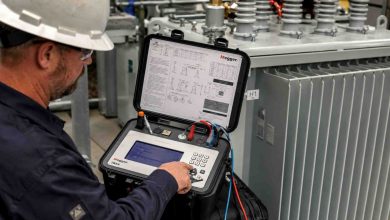
- ANSI C57 test reports after rebuilding
- Factory tours or witness testing opportunities
- Dissolved Gas Analysis (DGA) results before rebuilding
- A documented remanufacturing process
- At least a one-year warranty
A trustworthy rebuilder should be transparent about their testing procedures, quality standards, and warranty coverage.
Final Thoughts
Transformer remanufacturing has been part of the electrical industry for decades—and for good reason. Remanufactured transformers can offer faster delivery, lower costs, proven reliability, and environmental benefits compared to buying new equipment. New isn’t always better. The key is to do your due diligence and choose a qualified rebuilder with strong testing and quality-control practices. When sourced from the right company, a remanufactured transformer can be a smart, dependable investment for your project.