On-Load Tap Changer (OLTC) – Diverter Switch Assembly
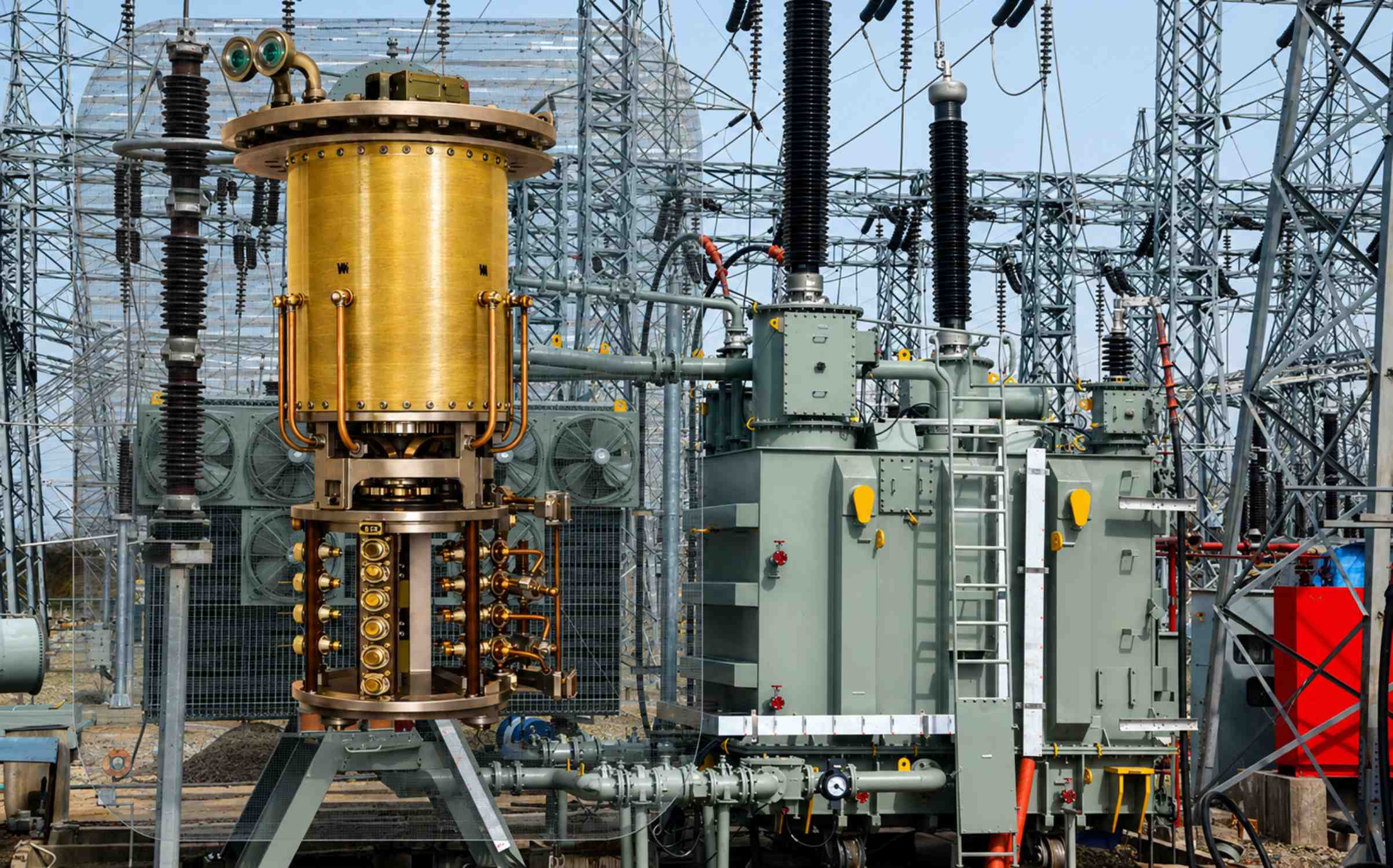
In the world of power transformers, few components work as quietly — yet as critically — as the On-Load Tap Changer (OLTC).
It is a remarkable blend of mechanical precision, electrical engineering, and insulation technology, designed to manage one of the grid’s biggest challenges: maintaining stable voltage under constantly changing load conditions.
More than just equipment, the OLTC represents a visual metaphor for electrical stress, controlled energy flow, and the dynamic behavior of modern power systems.
⚡ What an OLTC Does
An On-Load Tap Changer (OLTC) allows a power transformer to regulate its output voltage while the transformer remains energized and carrying load current.
This means:
- ✔ No shutdown required
- ✔ No interruption to power supply
- ✔ Smooth and precise voltage regulation
By continuously adapting transformer winding connections, the OLTC ensures that voltage levels remain stable despite fluctuations across the grid.
🧩 Major Components of the OLTC Assembly
🟡 1. Insulating Oil / Composite Cylinder
The upper cylindrical enclosure serves as the OLTC’s primary insulation barrier.
Typically manufactured from:
- Oil-impregnated pressboard
- Epoxy composite materials
Its purpose is to withstand intense electrical stress and protect the internal switching mechanism from dielectric failure.
Key Functions
- High-voltage insulation
- Flashover prevention
- Containment of the diverter switch
This section acts as the OLTC’s first line of defense against electrical breakdown.
⚙️ 2. Mechanical Drive & Flange Assembly
The heavy-duty metallic flange assembly secures the OLTC to the transformer tank while transferring motion from the Motor Drive Unit (MDU).
Features
- Bolted structural mounting
- Precision mechanical transmission
- Automated tap movement capability
This mechanism enables the transformer to respond dynamically to voltage variations without interrupting service.
🔄 3. Diverter Switch Mechanism
At the center of the OLTC lies its operational core: the diverter switch.
This mechanism performs high-speed make-before-break switching, allowing tap transitions to occur safely while current continues flowing.
To control electrical stress during switching, the system uses:
- Transition resistors
- Transition reactors
Its role is critical in preventing:
- 🔥 Arcing damage
- 📉 Voltage dips
- ⚡ Sudden electrical transients
The diverter switch is where electrical engineering precision meets real-world grid reliability.
🔩 4. Tap Selector Contacts
Located in the lower section, the tap selector system determines which transformer winding tap is active.
Design Characteristics
- Multiple discrete tap positions
- Copper contact systems
- Spring-loaded pressure mechanisms
These components are engineered to provide:
- Low contact resistance
- High current-carrying capability
- Reliable long-term switching performance
Every tap position directly influences the transformer’s output voltage.
🔌 5. Copper Conductors & Interconnections
Visible copper rods and interconnecting links carry substantial load currents throughout the assembly.
Their geometry and material selection are optimized to:
- Minimize resistive losses
- Reduce thermal buildup
- Maintain mechanical integrity under load
These conductors form the high-current pathways that keep energy flowing safely and efficiently.
🧠 The Bigger System Perspective
The OLTC exists for one fundamental purpose:
Stabilizing voltage under continuously fluctuating grid conditions.
Modern electrical networks are increasingly dynamic due to:
- Renewable energy integration
- Rapid industrial load changes
- Expanding transmission distances
- Variable frequency drive (VFD) systems
The OLTC continuously adapts transformer voltage levels to keep the grid balanced, reliable, and resilient.
⚡ Why the OLTC Is Essential
The importance of the OLTC in modern power systems cannot be overstated.
It helps:
- ✔ Maintain voltage stability
- ✔ Improve overall power quality
- ✔ Protect industrial and consumer equipment
- ✔ Support reliable long-distance transmission
It is especially indispensable in:
- Renewable energy networks 🌞🌬️
- Heavy industrial facilities 🏭
- High-voltage transmission systems
- Smart and adaptive grids
🏭 Typical Applications
OLTCs are widely deployed in:
- 33/11 kV distribution substations
- 132 / 220 / 400 kV power transformers
- GIS substations
- Solar power integration systems
- Wind farm grid interconnections
Final Thoughts
An On-Load Tap Changer is far more than a transformer accessory.
It is a sophisticated electromechanical system that enables transformers to regulate voltage in real time — without interrupting power delivery.
In many ways, the OLTC symbolizes the invisible intelligence of the modern grid:
continuously adapting, stabilizing, and protecting the flow of electrical energy under ever-changing operating conditions.