Designing Residential Solar Systems the Right Way: A Practical Engineering Guide
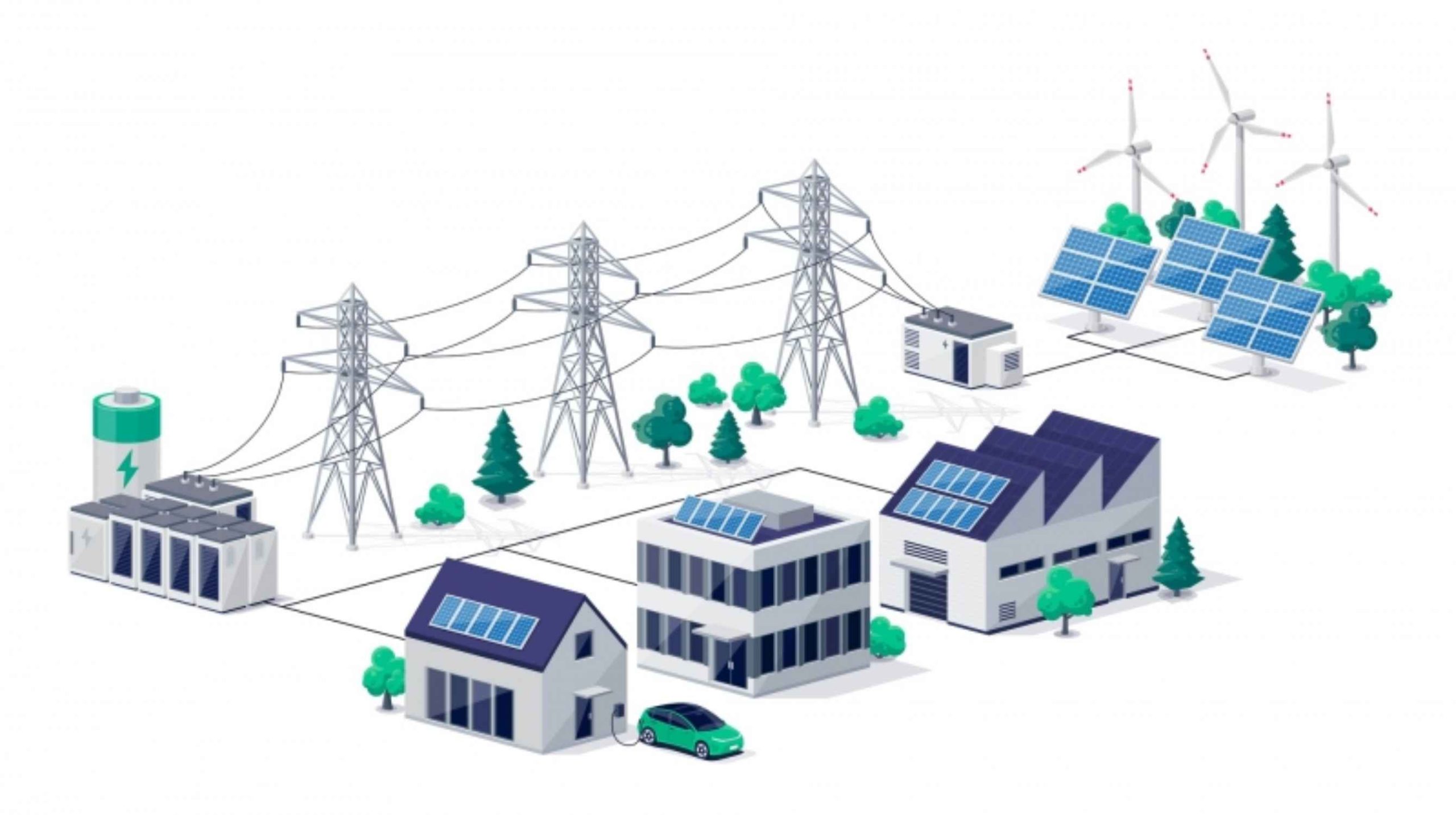
Residential solar systems are becoming increasingly popular, yet many homeowners still don’t fully understand how these systems work—or how they should be properly designed before installation.
From my experience in photovoltaic (PV) system consulting and design, one thing is clear: most system failures are not due to equipment quality, but due to poor planning and incorrect calculations.
It’s common to hear complaints such as:
- Systems shutting down in winter
- Batteries not fully charging
- Inverters tripping unexpectedly
In most cases, these issues stem from improper system study, incorrect sizing, or poor inverter programming.
To avoid these problems, every residential solar project should follow a structured, engineering-based design process.
Why Proper System Design Matters
A residential solar system is not just panels and batteries—it’s a carefully balanced energy system. Each component must be selected and configured based on real environmental data and actual energy needs.
Skipping the design phase often leads to:
- Energy shortages
- Reduced battery lifespan
- System instability
- Lower overall efficiency
Key Steps in Designing a Residential Solar System
1. Site Assessment and Environmental Data
The first step is identifying the exact project location using tools like Google Maps. This includes:
- Latitude and longitude
- Altitude above sea level
- Time zone
In addition, you must gather environmental data such as:
- Solar irradiance
- Temperature and humidity
- Wind loads and snow loads
This data is essential for designing the mounting structure and predicting system performance.
2. Load Profile Analysis
Understanding the customer’s energy consumption is critical.
This involves:
- Listing all electrical devices
- Recording their power ratings (in watts)
- Determining daily usage hours
- Separating daytime and nighttime loads
The result is a load profile, which defines total daily and hourly energy consumption.
3. System Voltage Selection
The system voltage is chosen based on the total load size. This step helps determine:
- The appropriate inverter
- The charge controller specifications
Choosing the wrong voltage can reduce efficiency and increase system losses.
4. Battery Bank Sizing
Batteries are designed primarily to support nighttime loads.
Key considerations:
- Required ampere-hour (Ah) capacity
- Depth of discharge (to preserve battery life)
- Backup duration
Proper sizing ensures reliability while extending battery lifespan.
5. Solar Panel Sizing and Peak Sun Hours (PSH)
The number of panels is calculated based on:
- Total energy demand
- Peak Sun Hours (PSH) at the site
This ensures the system can:
- Power daytime loads
- Fully charge batteries
6. Panel Tilt, Orientation, and Shading Analysis
To maximize energy production:
- Panels must be set at the correct tilt angle
- Orientation (azimuth angle) should face true south (in the northern hemisphere)
Additionally, shading analysis is essential:
- Near shading (buildings, trees)
- Far shading (terrain, horizon)
Using sun path charts and simulation tools helps avoid performance losses due to shadows.
7. System Design and Technical Reporting
Finally, a complete system layout is developed, including:
- Electrical schematics
- Equipment specifications
- Expected energy production
- System losses
Professional engineering software is typically used to generate a detailed technical report for the project.
Final Thoughts
Designing a residential solar system is not a trial-and-error process—it requires careful planning, accurate calculations, and engineering discipline.
Ignoring these steps can lead to underperforming systems and frustrated users. But when done correctly, a well-designed system delivers:
- Reliable energy
- Long equipment lifespan
- Maximum return on investment
In the end, the success of any solar project starts long before installation—with proper design.
#SolarEnergy #ResidentialSolar #PhotovoltaicSystems #RenewableEnergy #EnergyEfficiency #SolarDesign #PVSystems #CleanEnergy