Battery Energy Storage Fire Safety: Design Layers and Emergency Planning
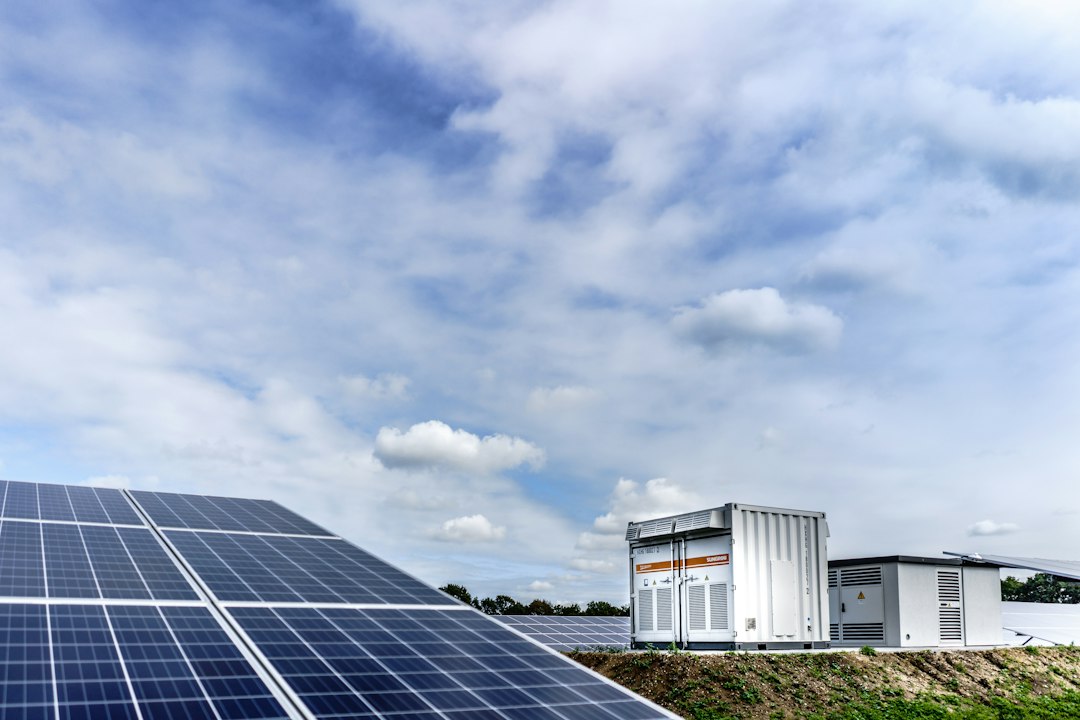
Battery safety is created by layers: cell quality, battery management, electrical protection, thermal control, enclosure design, detection, separation and an emergency plan. No single sensor or extinguisher replaces system engineering.
Photo by Sungrow EMEA on Unsplash.
Why this topic matters
Good engineering decisions connect calculations with site conditions, equipment data and operating scenarios. The workflow below is intended for preliminary design, technical review and commissioning preparation. It does not replace the current local code, utility rules or a competent professional’s approval.
Core engineering checks
- Define credible failure modes from cell overheating to propagation between modules.
- Coordinate DC isolation, overcurrent protection and emergency shutdown logic.
- Monitor temperature, smoke and relevant gases with alarms that reach staffed responders.
- Plan access, water supply or other approved suppression strategy, runoff control and post-event monitoring.
Calculation starting point
Energy capacity alone does not describe the hazard. Document chemistry, enclosure arrangement, state-of-charge limits, heat release information and the tested propagation behavior supplied for the system.
Recommended workflow
- Collect evidence: obtain drawings, interval data, nameplates, manufacturer curves and site measurements.
- Define scenarios: include normal operation, peak demand, maintenance states, credible faults and future expansion.
- Calculate: state assumptions, units, correction factors and the source of every input.
- Coordinate: check interfaces with protection, controls, communications, civil works and operations.
- Verify: turn each design assumption into an inspection, measurement or functional test.
Europe and Gulf considerations
High ambient temperatures increase cooling dependence in Gulf installations. Dense European urban sites may make separation distances and responder access difficult. Engage the authority and fire service early.
Common mistakes
- Using nominal ratings without environmental or installation derating.
- Checking only one operating condition.
- Relying on software output without validating inputs and boundary conditions.
- Leaving commissioning criteria undefined until the equipment arrives.
- Failing to record the final settings, firmware, drawings and test results.
Handover checklist
Keep the approved design basis, calculations, single-line or network diagram, equipment schedules, protection and control settings, inspection records, test certificates, operating instructions, maintenance intervals and an as-built change log. A useful handover package allows a future engineer to understand not only what was installed, but why.
Frequently asked questions
Can this method be used for final design?
It is a strong review framework, but final values must come from project-specific data and the current requirements of the responsible authority.
What should be verified first?
Verify the input data that most strongly changes safety or capacity: source strength, load profile, environment, installation method and protective-device characteristics.
How should uncertainty be handled?
Use conservative but explicit assumptions, test sensitivity to uncertain inputs, and replace assumptions with measurements during commissioning.
Explore more practical guides in our engineering library and English Engineering section.