What an 11kV Line Pole Can Teach Us About Power Distribution
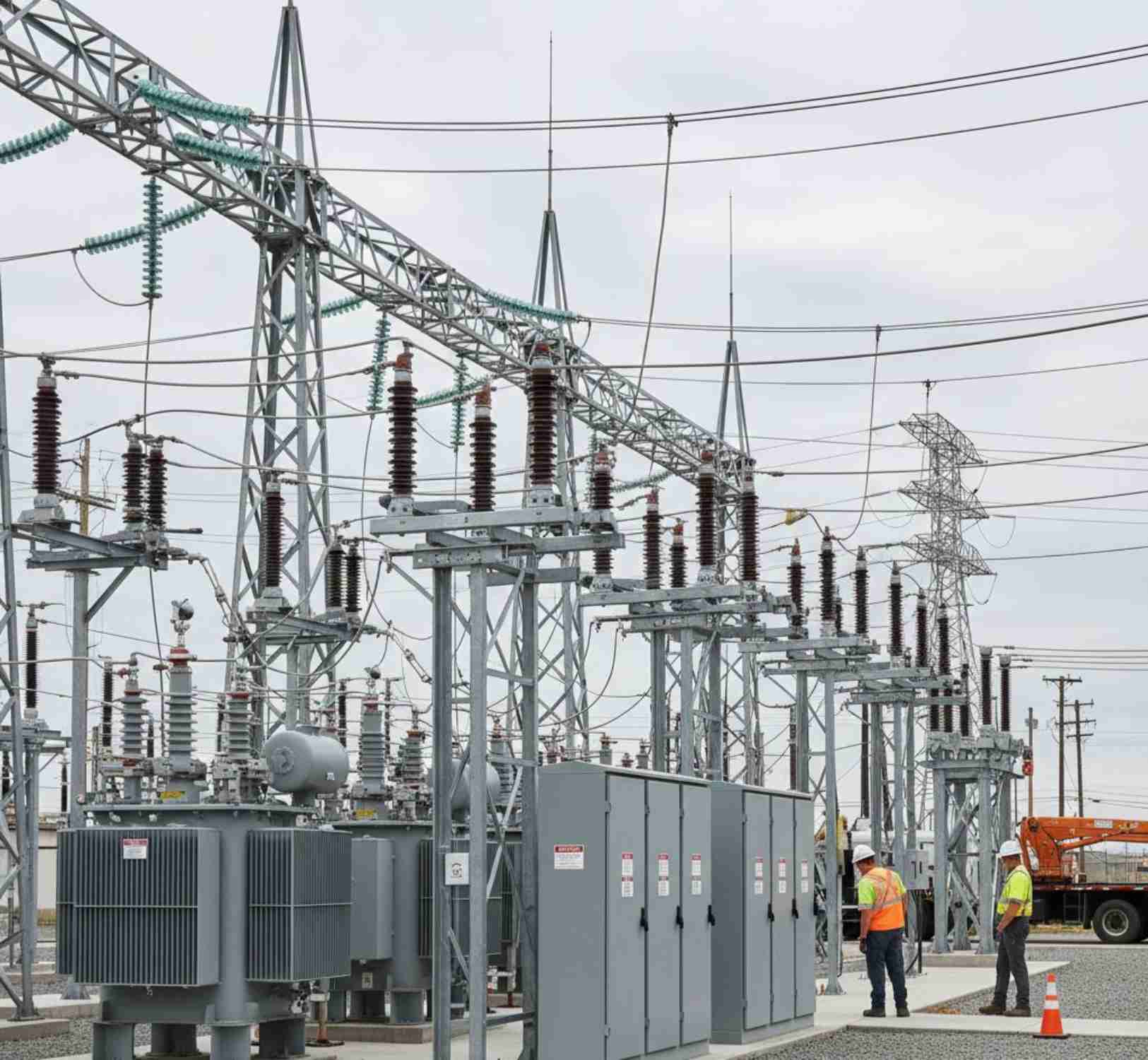
At first glance, a typical 11kV distribution pole might not seem like much—just a structure carrying wires, a transformer, and a few pieces of hardware. But look a little closer, and you’ll realize it’s a compact, highly coordinated system where every component plays a critical role in keeping electricity flowing safely and reliably.
More Than Just Wires and Equipment
What many people overlook is that every element on a distribution pole is carefully selected and positioned for a purpose. These components don’t just coexist—they work together as an integrated system that balances performance, protection, and safety.
Let’s take a simple top-to-bottom view of what’s happening on a standard 11kV pole:
Key Components and Their Roles
- Pin Insulators
These support the conductors and electrically isolate them from the pole structure. Without proper insulation, energy losses and faults would be inevitable. - Air Break Switch (ABS)
A crucial component for operational flexibility. It allows sections of the network to be isolated during maintenance or fault conditions. - Lightning Arrester
Acts as the system’s first line of defense against voltage surges caused by lightning or switching events, protecting downstream equipment. - Drop-Out Fuse (DO Fuse)
Provides localized fault protection. In the event of a fault, it disconnects the affected section to prevent damage to transformers and other equipment. - Distribution Transformer
Steps down the voltage from medium voltage (11kV) to usable low voltage levels for homes and businesses. - Earthing (Grounding) System
Ensures safety by providing a path for fault currents to dissipate into the ground, protecting both equipment and people.
The Bigger Picture: Integration Over Isolation
One of the most important lessons from a simple line pole is this:
Grid reliability is never about a single component—it’s about how everything works together.
Protection devices, insulation systems, switching mechanisms, grounding, and transformation all need to be properly coordinated. If even one element is poorly selected or installed, the entire system’s performance can be compromised.
Why This Matters in the Field
For professionals in power and insulation, these real-world configurations are more than just standard designs—they are reminders of the fundamentals:
- Good component selection matters
- Proper configuration is critical
- Quality and reliability must be ensured on-site
Even the most advanced grids depend on these basics being done right. Power distribution may appear simple from the outside, but the reality is far more nuanced. It’s the attention to detail—how each component is chosen, installed, and integrated—that keeps electricity moving safely and efficiently every single day.