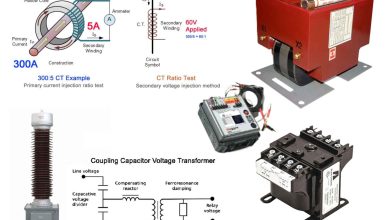
How to Choose the Right CT & PT (Current & Voltage Transformers)
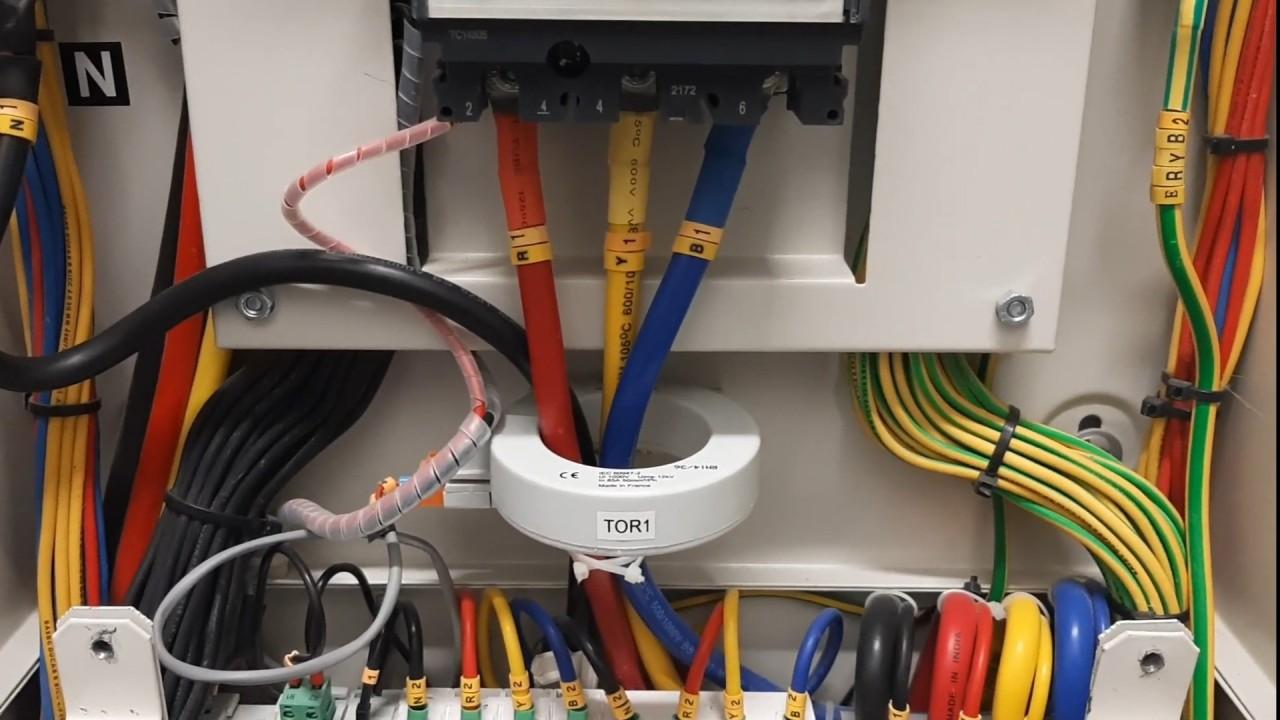
Selecting the correct Current Transformer (CT) and Potential/Voltage Transformer (PT/VT) is essential for reliable protection, accurate metering, and safe operation of electrical systems. A wrong choice can lead to poor measurements—or worse, protection failure.
Here’s a practical, engineer-friendly guide you can use.
⚡ Step 1: Confirm the System Voltage
Before anything else, identify your system voltage level:
- 11 kV
- 24 kV
- 36 kV
This determines insulation level, equipment rating, and especially your PT selection.
🔌 Step 2: How to Select the Right CT


Choosing a CT involves three key decisions:
1️⃣ Primary Current (Most Important)
Select based on the actual load current of your system.
Typical examples:
- Load ≈ 400 A → choose 600/5A or 600/1A
- Load ≈ 800 A → choose 1000/5A or 1000/1A
Rule of thumb:
CT Primary Current = Actual Load × 1.2 to 1.5
This ensures:
- No saturation under normal conditions
- Margin for future load growth
2️⃣ Secondary Current (1A or 5A?)
This depends on installation distance:
- 5A CT
- Used inside switchgear
- Short cable distance
- More common in compact panels
- 1A CT
- Used for long-distance wiring (e.g., substations)
- Lower losses and better accuracy over long cables
3️⃣ Accuracy Class (Application-Based)
Different applications need different accuracy:
- 0.5 / 0.5S Class
→ High-accuracy metering, billing - 1.0 Class
→ General measurement, ammeters - 5P10 / 10P10
→ Protection (fault detection, relays)
→ Ensures performance during short circuits
⚡ Step 3: How to Select the Right PT (VT)


PT selection is simpler but still critical.
1️⃣ Voltage Ratio
The ratio must match your system voltage:
- 11 kV system → 11,000 / 100 V
- 36 kV system → 36,000 / 100 V
👉 The secondary side is almost always 100V (standard for meters and relays).
2️⃣ Accuracy Class
- 0.5 Class
→ Revenue metering, precise measurement - 1.0 Class
→ General indication (voltmeters, monitoring)
📐 Step 4: Don’t Forget Practical Considerations
Even if electrical parameters are correct, always check:
- Installation type (panel-mounted, outdoor, busbar type)
- Physical size & space constraints
- Mounting compatibility
- Environmental conditions (indoor / outdoor / temperature)
✅ Quick Summary
| Component | Key Factors |
|---|---|
| CT | Primary current, secondary current (1A/5A), accuracy class |
| PT | Voltage ratio, accuracy class |
| Both | Installation method, size, environment |
💡 Final Tip
A good CT/PT selection balances:
- Accuracy
- Protection reliability
- Future scalability
If you’re designing for protection schemes (like OC/EF relays), always coordinate CT class and burden with relay requirements.