Grid
Transmission Substations: Function and Principal Components
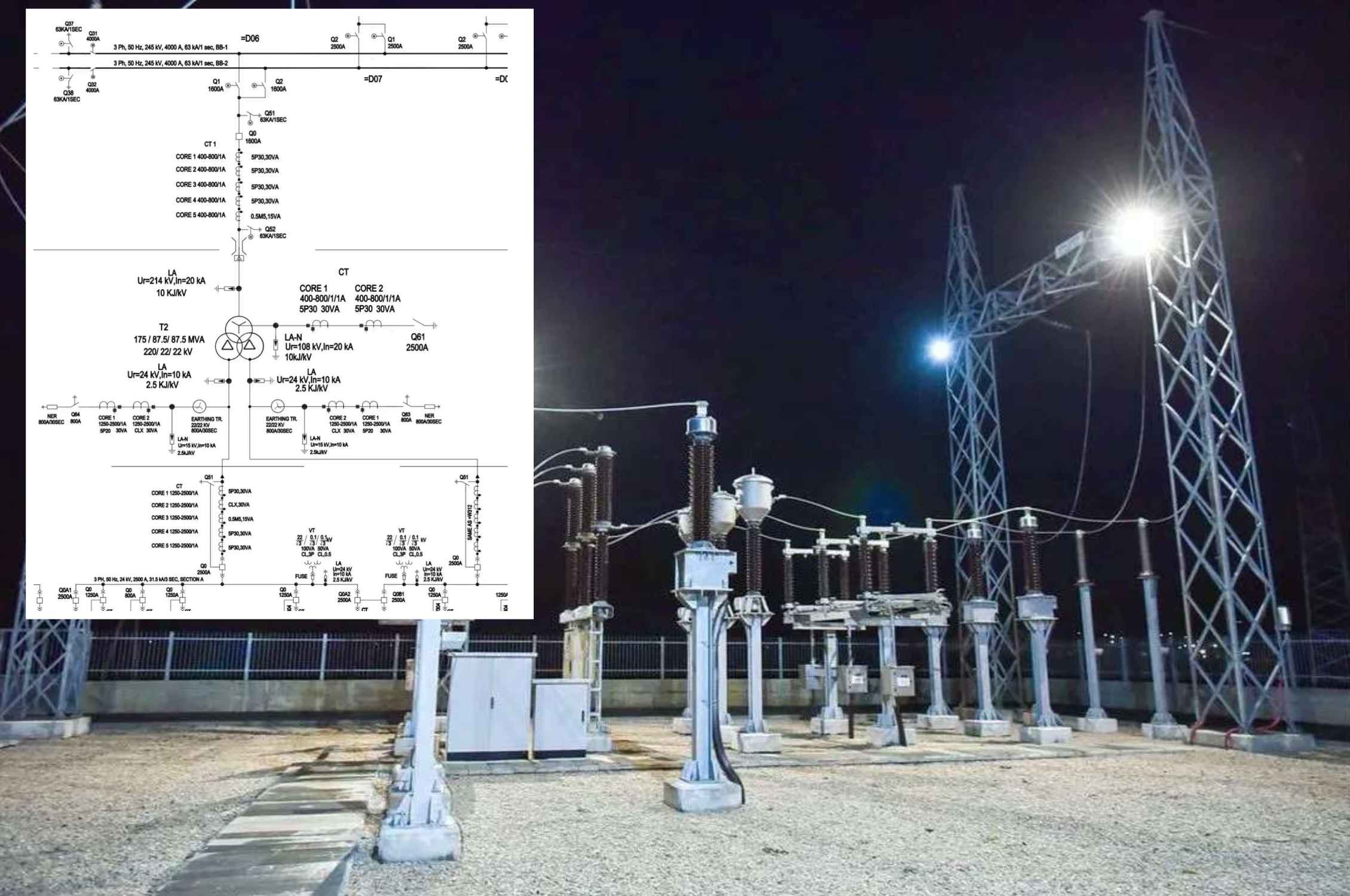
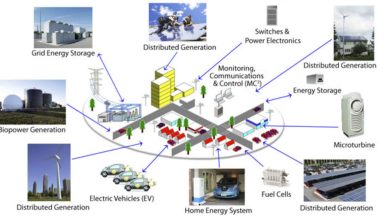
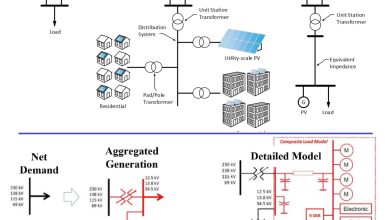
A transmission substation is a critical node in the electrical power grid, primarily interconnecting high-voltage transmission networks with medium-voltage distribution systems. It receives electrical power at extra-high voltage (EHV) levels via overhead transmission lines or underground cables from generating stations. The substation’s core function is to transform this voltage to a lower, medium-voltage level suitable for subsequent distribution to end consumers via distribution feeders.
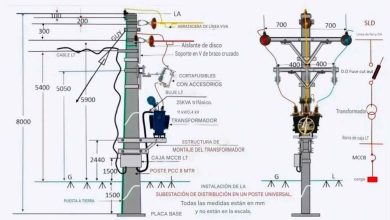
An array of specialized components maintains the operational integrity and safety of a transmission substation, each fulfilling a distinct role within the switching, protection, and measurement infrastructure.
Key Substation Components and Their Functions:
- Busbars
Busbars function as common electrical nodes, providing a robust, low-impedance connection point to which multiple incoming and outgoing circuits (bays) are linked, thereby enabling power routing and redundancy. - Busbar Disconnectors (Isolators)
These are mechanically operated switches designed to establish or remove a conductive connection between an individual bay and the main busbar. They provide a visible isolation gap for maintenance safety, but are not rated to interrupt load current. - Circuit Breaker
As the primary control and protection device, the circuit breaker can interrupt current flow under both normal operating conditions (for switching) and fault conditions (e.g., short circuits). Its function is to rapidly and reliably isolate a faulty section from the healthy network. - Line / Transformer Disconnector
Similar in function to busbar disconnectors, these isolators are specifically positioned to connect or isolate a bay from its associated transmission line or power transformer, ensuring a safe working environment for personnel during maintenance. - Earthing Switches (Grounding Switches)
These switches provide a deliberate, low-resistance connection between de-energized conductors and the earth (ground). This is essential for discharging trapped capacitive energy and mitigating induced voltages, thereby ensuring personnel safety before maintenance work begins. - Current Transformers (CTs)
Current transformers are instrumental in instrumentation and protection. They step down high primary currents to standardized, low-level secondary currents (e.g., 1A or 5A). This scaled signal provides isolated, safe inputs for protective relays and metering equipment, enabling accurate monitoring and fault detection without a direct connection to the high-voltage circuit. - Voltage Transformers (VTs) or Potential Transformers (PTs)
Voltage transformers perform an analogous function for voltage measurement. They step down high system voltages to standardized, low-level secondary voltages (e.g., 110V or 120V). This provides isolated and safe voltage signals for protective relays, synchronizing equipment, and metering devices. - Surge Arresters
Surge arresters are vital protective devices that safeguard substation equipment from transient overvoltages. These overvoltages can originate from lightning strikes (lightning overvoltages) or from switching operations within the grid (switching overvoltages). The arrester provides a low-impedance path to earth for these transient surges, thereby limiting the voltage impressed upon the equipment and preventing insulation failure.