Why Is an Electric Motor Overheating?
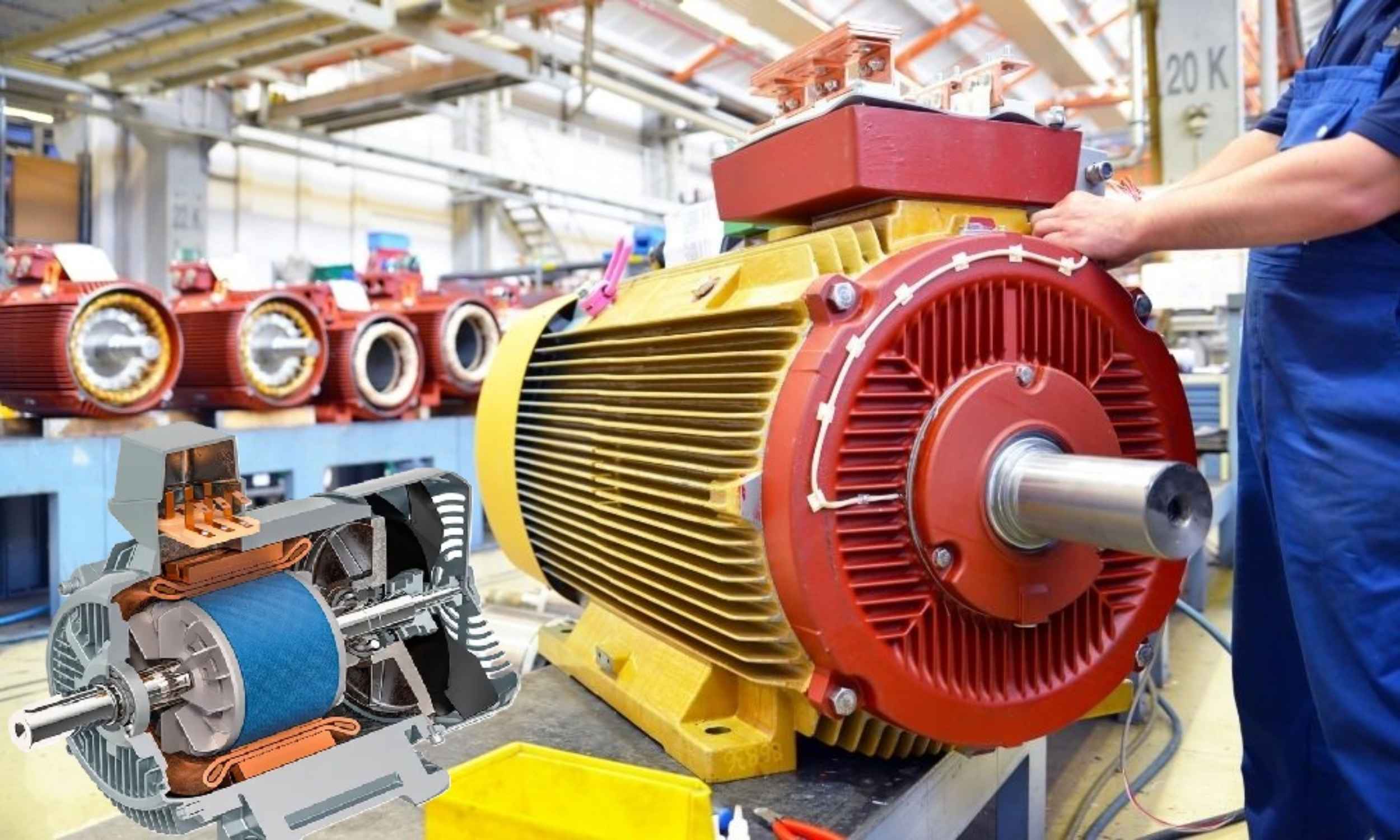
Electric motor overheating is a common problem that can lead to reduced efficiency, unexpected shutdowns, or even permanent motor failure if left unaddressed. Understanding the root causes of overheating is essential for maintaining reliable operation and extending motor life. Below are some of the most common reasons why an electric motor may overheat and what you can do to prevent it.
1. Overloaded Conditions
One of the most frequent causes of motor overheating is operating under overload conditions. When a motor is required to operate beyond its rated capacity—such as driving an excessive mechanical load—it draws more current, generating excess heat. Overloading may result from using the motor beyond its design specifications, mechanical binding, worn bearings, or misaligned components.
Prevention tips:
- Verify that the motor load does not exceed the rated capacity.
- Check motor nameplate specifications and match them to the application.
- Inspect mechanical components for faults that increase resistance.
- Install overload protection devices to shut down the motor before damage occurs.
2. Insufficient Ventilation or Cooling
Electric motors rely on airflow to dissipate heat. If ventilation openings are blocked by dust, debris, or poor installation, heat cannot escape efficiently. Similarly, a damaged or malfunctioning cooling fan will reduce heat dissipation, causing the motor temperature to rise rapidly.
Prevention tips:
- Ensure the motor is installed in a well-ventilated area.
- Regularly clean air vents and cooling fins.
- Inspect the cooling fan to ensure it is operating correctly.
- Avoid installing motors in confined spaces without proper airflow.
3. Incorrect Voltage or Phase Imbalance (AC Motors)
Supplying an AC motor with incorrect voltage—either too high or too low—can cause excessive current draw and overheating. In three-phase motors, phase imbalance or loss of one phase forces the motor to work unevenly, increasing heat in the windings and potentially leading to failure.
Prevention tips:
- Measure the supply voltage and compare it with the motor’s rated voltage.
- Check for phase imbalance in three-phase systems.
- Ensure proper electrical connections and a stable power supply.
- Address power quality issues promptly.
4. Electrical Faults or Short Circuits
Electrical problems such as short circuits, insulation breakdown, or damaged windings can significantly increase current flow, leading to rapid overheating. These faults often develop gradually due to aging, moisture ingress, or contamination.
Prevention tips:
- Use a megohmmeter to periodically test insulation resistance.
- Inspect wiring and terminals for damage or loose connections.
- Repair or replace faulty windings or insulation immediately.
- Implement routine electrical maintenance programs.
5. Incompatible Motor Size or Type
Using a motor that is undersized or unsuitable for the operating environment can also cause overheating. A motor that is too small for the application will consistently operate under stress. In contrast, an incorrect motor type may not be designed for the duty cycle, ambient temperature, or starting requirements.
Prevention tips:
- Ensure the motor is properly sized for the load and duty cycle.
- Select a motor type that matches the application requirements.
- Upgrade to a larger or more efficient motor if necessary.
- Consult motor performance curves during the selection process.
Conclusion
Motor overheating is often a symptom of underlying mechanical, electrical, or environmental issues. By identifying the cause—whether it’s overloading, poor ventilation, electrical faults, power supply problems, or improper motor selection—you can take corrective action before serious damage occurs. Regular inspection, proper sizing, and preventive maintenance are key to keeping electric motors running efficiently and reliably.