Lockout/Tagout (LOTO): The Critical Standard for Hazardous Energy Control
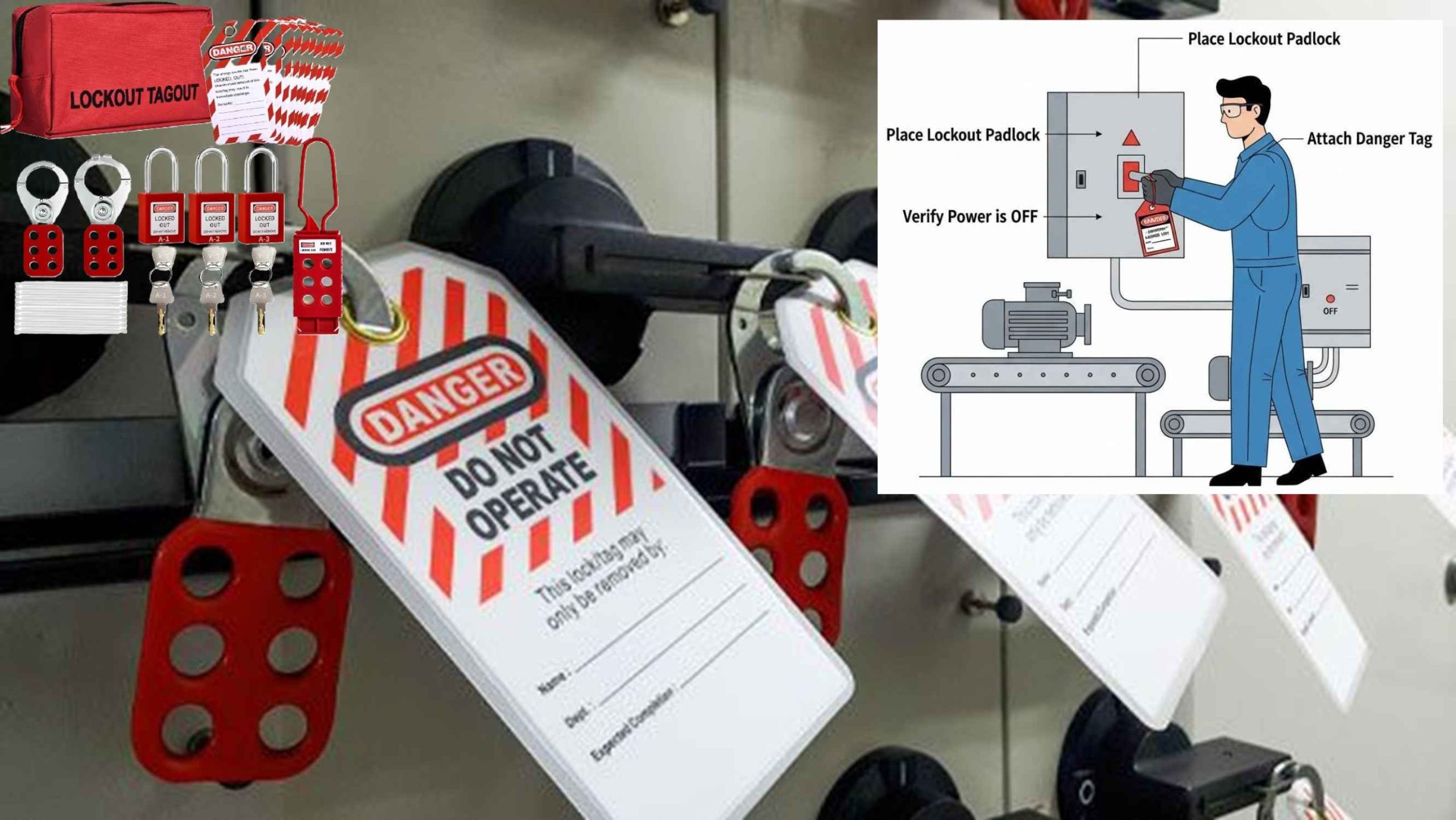
Lockout/Tagout (LOTO) is arguably the most critical safety procedure in industrial environments. It is the formal process of disabling machinery or equipment to prevent the unexpected release of hazardous energy during servicing, maintenance, cleaning, or repair. LOTO protects workers from a spectrum of energy sources, including electrical, mechanical, hydraulic, pneumatic, chemical, and thermal energy. Compliance with LOTO standards, such as OSHA 29 CFR 1910.147 in the United States, is mandatory and is estimated to prevent over 120 fatalities and 50,000 injuries annually.
Why LOTO Is Necessary: The Danger of Unexpected Energization
The need for LOTO stems from the inherent danger of unexpected machine start-up. Machines can become energized suddenly due to:
- Electrical Faults: A short circuit or ground fault can bypass standard controls.
- Stored Energy: Capacitors can hold electrical charge, hydraulic systems can retain pressure, and springs can remain compressed even after the main power is off.
- Human Error: An unaware coworker may accidentally activate a switch, believing the machine is safe to operate.
Without LOTO, workers performing maintenance face severe risks, including electrocution, amputation, crushing injuries, and burns. The procedure ensures that the energy source is not only turned off but is physically isolated and locked, making accidental re-energization impossible.
The Eight Essential Steps of the LOTO Procedure
A robust LOTO program requires a straightforward, machine-specific procedure, consistently followed by authorized employees—those trained to perform LOTO—and respected by affected employees—those who work in the area. The process is a systematic, eight-step sequence designed to achieve a Zero Energy State (ZES).
| Step | Action | Purpose |
| 1. Preparation for Shutdown | Identify the machine, the type and magnitude of energy sources, and the necessary isolation points. | Ensures the authorized employee knows exactly what to lock out and how. |
| 2. Notification | Inform all affected workers, supervisors, and relevant personnel that the machine will be isolated and locked for maintenance. | Prevents confusion and ensures no one attempts to operate the machine. |
| 3. Turn Off the Equipment | Ensures the authorized employee knows precisely what to lock out and how. | Allows for an orderly shutdown to prevent damage to the equipment. |
| 4. Isolate Energy Sources | Physically disconnect the machine from all energy sources (e.g., opening a circuit breaker, closing a valve, disconnecting a line). | Creates a physical gap between the energy source and the machine. |
| 5. Apply Lock & Tag | The authorized employee places a personal padlock and a danger tag on the energy-isolating device. The key remains with the authorized employee. | Provides physical control over the isolation point and clearly identifies the person performing the work. |
| 6. Release Stored Energy | Safely relieve all residual or stored energy (e.g., draining hydraulic pressure, bleeding air lines, blocking mechanical parts, discharging capacitors). | Ensures the machine cannot move or be energized from internal sources. |
| 7. Verify Zero Energy (Try-out) | Crucially, the authorized employee attempts to start the machine (e.g., pressing the start button or activating the lever) to confirm isolation, then returns the controls to the neutral position. | The final, non-negotiable check to confirm the ZES before work begins. |
| 8. Perform Maintenance & Restoration | After maintenance is complete, the area is cleared of tools, guards are reinstalled, and the authorized employee removes their lock and tag, restoring power safely. | Ensures a safe return to operation, with the final removal of the lock being the sole responsibility of the person who applied it. |
The Discipline of LOTO
LOTO is a discipline that cannot be bypassed or ignored. One of the most common LOTO violations cited by regulatory bodies is the failure to develop, document, and utilize machine-specific energy control procedures. For every engineer, technician, and operator, the LOTO procedure is the final, non-negotiable barrier between a routine maintenance task and a life-altering accident. It is a testament to the principle that no production deadline is worth a human life.
References
[1] Occupational Safety and Health Administration (OSHA). Control of Hazardous Energy (Lockout/Tagout). Fact sheet detailing the standard’s impact on preventing injuries and fatalities.
[2] OSHA. 29 CFR 1910.147 – The control of hazardous energy (lockout/tagout). The official regulatory standard defining procedures and employee responsibilities.
[3] Brady Corporation. LOTO Violations: Top 10 Compliance Mistakes. Analysis of common failures in LOTO program implementation, often related to inadequate procedures and training.