Cable Laying: The Unsung Foundation of Plant Reliability
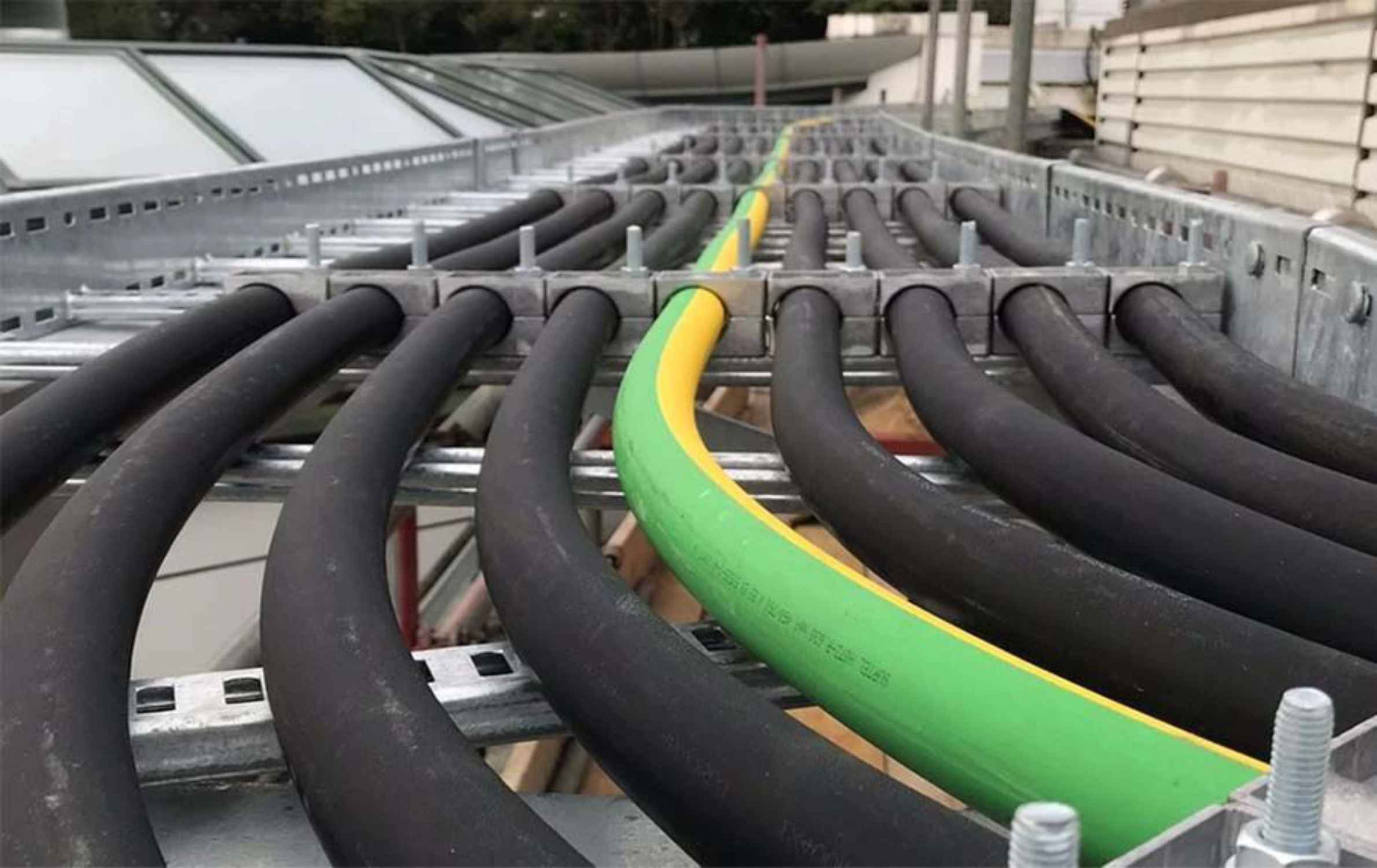
In the intricate ecosystem of an industrial facility, cables are easy to overlook. They line trays and tunnels in familiar bundles—simple to see, yet their actual impact often remains unseen. How they are laid can quietly make or break plant performance, dictating uptime, safety, and efficiency for decades to come.
Every cable carries more than electricity—it carries power, signals, and control. A route that appears obvious may conceal hidden risks if proper care isn’t taken. Cable laying is not merely a task of speed; it is an exercise in foresight, demanding planning, spacing, support, and an unwavering focus on long-term reliability.
⚠️ Best Practices for Durable Cable Installation
🔹 Respect Bending Radius
Large cables should never be forced into tight corners. Respecting the manufacturer’s specified bending radius protects insulation integrity, prevents internal conductor damage, and prolongs service life.
🔹 Segregate Power and Control Cables
Where possible, power and signal cables should be separated. Even minor electromagnetic interference can disrupt sensitive control circuits, leading to erratic operations or data corruption.
🔹 Support and Secure Cables Properly
Sagging or inadequately supported cables place undue stress on insulation and conductors. Proper supports prevent physical degradation and maintain alignment over time.
🔹 Avoid Overcrowding Trays
Overfilled cable trays restrict airflow and trap heat. Excessive heat accelerates insulation aging, reduces current-carrying capacity, and can lead to premature failure.
🔹 Prevent Moisture Ingress
Water remains a silent and persistent threat, especially for underground or outdoor runs. Effective sealing, conduit use, and drainage planning are essential to avoid insulation breakdown and corrosion.
🔹 Plan for Future Maintenance
A well-planned installation leaves space for inspection, testing, and future upgrades. Accessibility today can prevent days of downtime tomorrow.
🧠 The Field Reality
A well-installed cable today prevents trips, faults, and unplanned outages tomorrow. Neglecting proper cable laying may not cause immediate failure, but reliability quietly erodes—often revealing itself during peak loads or adverse conditions, when the cost of failure is highest. In the end, cable laying is foundational work. It’s a discipline where careful execution pays invisible dividends, ensuring that the plant’s veins carry not just current but confidence.