Cable Basement: The Hidden Heart of the Power Plant
No smoke. No spark. No warning. Yet a single fault here can shut down megawatts in minutes.
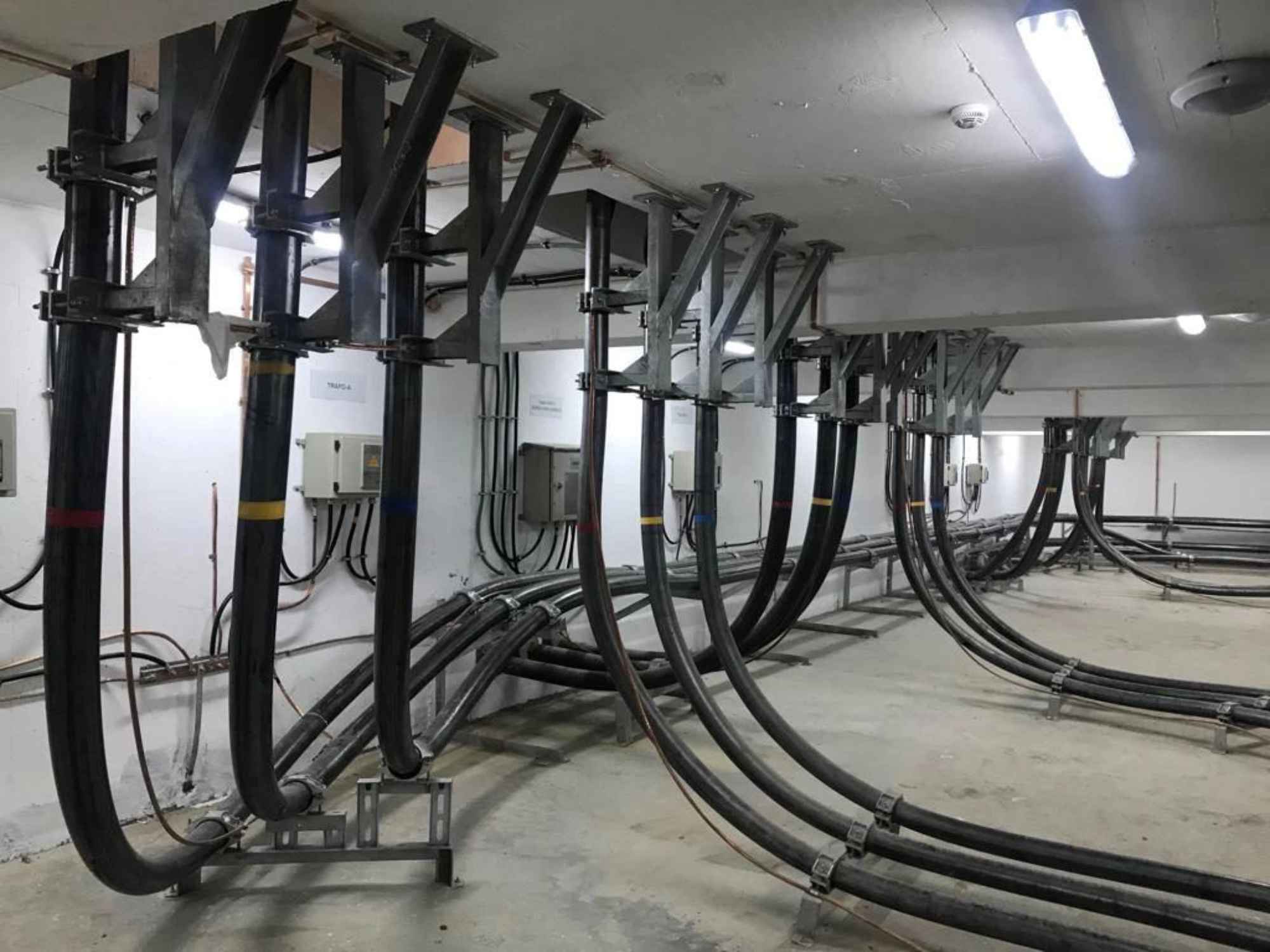
Far from the hum of turbines and the glow of control room screens lies a space seldom seen but critical to every watt of electricity produced: the cable basement.
Known also as the cable vault, cable cellar, or cable gallery, this subterranean network is the power plant’s silent circulatory system. Here, a dense web of high-voltage, medium-voltage, and control cables weaves together generators, transformers, switchgear, and auxiliary systems. It is out of sight, often out of mind—yet it is precisely where reliability is born, or where it fails.
The Unseen Foundation of Grid Stability
While the impressive machinery above ground captures attention, the cable basement works in obscurity. Its role is simple in description, profound in consequence: to ensure flawless electrical and signal continuity. A single point of failure—a degraded cable, a short circuit, or a breached pathway—can cascade into an outage affecting thousands, all within minutes. In an industry where uptime is paramount, the integrity of this hidden layer is non-negotiable.
Seven Critical Risks Lurking Below
Neglect in the cable basement is a direct threat to plant viability. Here are the key vulnerabilities every operator must vigilantly manage:
- Water Ingress
Even minor, persistent leaks slowly degrade cable insulation, leading to ground faults and unexpected trips. - Poor Cable Segregation
Mixing power, control, and instrument cables invites electromagnetic interference, false signals, and propagating faults. - Overcrowded Cable Trays
Excessive cable density traps heat, accelerates insulation aging, and imposes mechanical stress on connections. - Neglected Fire Detection & Suppression
Cable fires are intensely toxic and spread with alarming speed. Without early detection and specialized suppression, a minor fault can become an inferno. - Unsealed Penetrations
Every unsealed conduit or wall opening is an invitation for rodents, moisture, dust, and fire to compromise the entire system. - Missing or Damaged Supports
Sagging cables, strain terminations, and abraded insulation create hidden points of failure. - Poor Housekeeping
Accumulated dust, oil, and debris are more than unsightly; they provide conductive paths, trap heat, and turn minor incidents into major outages.
The Field Reality: Reliability Begins Where You Least Look
A pristine control room and well-maintained turbines can create an illusion of security. True reliability, however, is built from the ground up—in the dark, cramped spaces rarely visited. The cable basement does not forgive “out of sight, out of mind.” Its condition reflects a plant’s operational discipline and long-term resilience.
A Call to Awareness
This hidden heart powers the plant’s visible body. Its care requires intentionality, rigorous standards, and a culture that values the invisible as much as the impressive. Share this insight. Discuss it in your next safety walkdown. Please forward it to a colleague. Someone in your network may be overlooking the silent cornerstone of their operation. In the world of power generation, what lies beneath truly determines what stands above.
Save this article. The stability of the grid may depend on it.