Black Start Capabilities: Enhancing Grid Resilience and Operational Flexibility
Introduction
The global electrical infrastructure has faced unprecedented challenges in recent years. High-profile events, such as the 2021 Texas power crisis and the increasing frequency of extreme weather—including hurricanes and severe winter storms—have underscored the critical necessity for reliable power systems. Research suggests that climate change will continue to exacerbate these vulnerabilities, leading to more frequent and prolonged outages.
To mitigate these risks, organizations are increasingly adopting microgrids to ensure localized energy security. Central to this strategy is the Black Start procedure, a specialized protocol that enables facilities to restore power independently of the external grid, thereby ensuring continuity of operations during widespread failures.
Understanding the Microgrid Framework
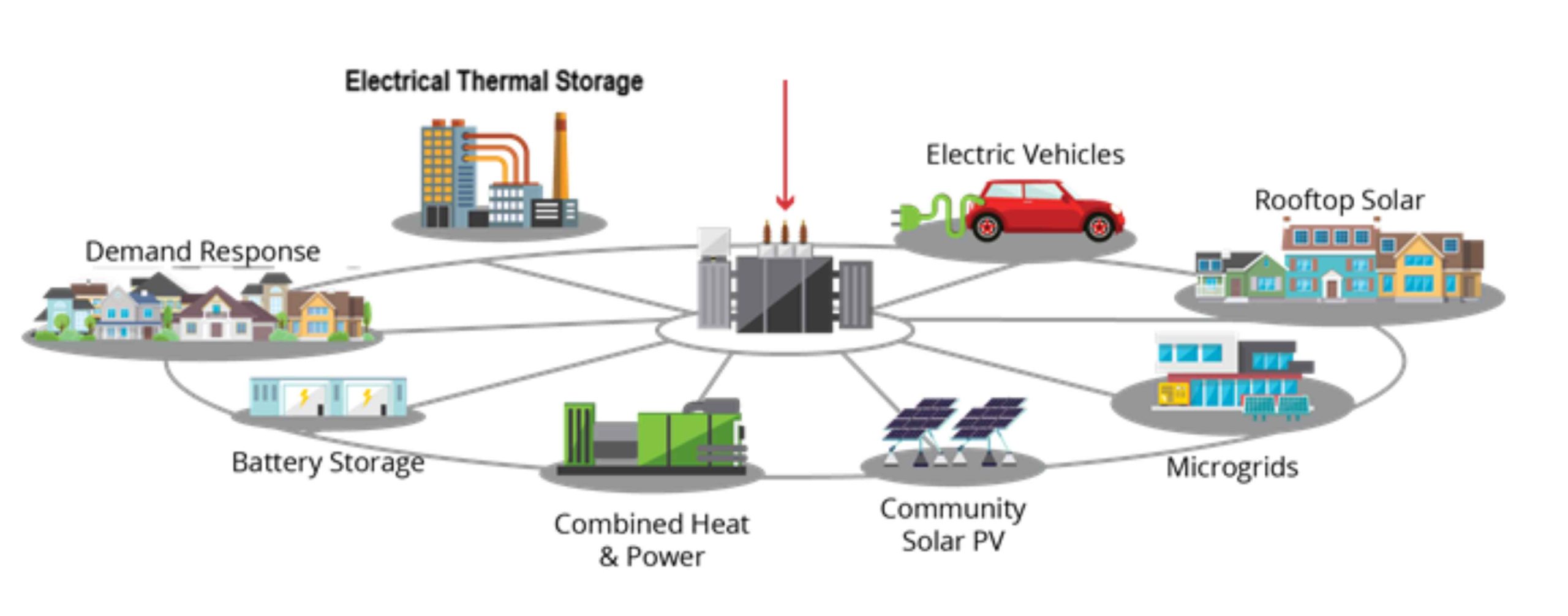
A microgrid is a decentralized energy system consisting of localized loads and generation sources. Its defining characteristic is the ability to operate both in synchronization with the main grid and in “island mode,” where it functions as a self-contained entity. This architectural flexibility allows facilities to disconnect from the primary utility during disturbances, protecting internal systems from external instability.
The Role of Black Start in Organizational Resilience
A Black Start procedure is the process of restoring an electric power station or a part of an electric grid to operation without relying on the external transmission network. For many organizations, this capability is not merely a convenience but an operational necessity.
Critical Applications
| Sector | Impact of Power Loss | Benefit of Black Start |
| Healthcare | Interruption of life-saving medical equipment and patient care. | Immediate restoration of critical life-support systems. |
| Higher Education | Loss of long-term research data and sensitive laboratory samples. | Protection of decades of academic and scientific investment. |
| Industrial | Costly downtime and potential damage to manufacturing equipment. | Rapid recovery of production lines and asset protection. |
Strategic Benefits of Black Start Procedures
Implementing a Black Start protocol within a microgrid environment provides three primary strategic advantages:
1. Enhanced Reliability and Autonomy
Black Start procedures empower facilities to provide their own startup power. By eliminating dependence on external interconnection points for restoration, microgrids can rapidly re-energize critical assets. This self-reliance is vital during large-scale grid collapses where utility restoration timelines may be uncertain.
2. Asset and Investment Protection
The ability to quickly restore power is a primary defense against the destruction of sensitive assets. In university settings, for instance, a sustained outage can jeopardize years of research. A robust Black Start capability ensures that environmental controls and data integrity are maintained, safeguarding significant financial and intellectual investments.
3. Operational Flexibility
While Black Start is a recovery mechanism, it contributes to broader operational flexibility. Facilities can proactively transition to island mode if the main grid shows signs of instability. This “seamless transition” capability, backed by the assurance of a Black Start recovery path, provides a level of energy security that traditional grid-dependent systems cannot match.
Technical Implementation and Grid Support
Beyond internal benefits, Black Start-capable facilities can play a pivotal role in broader grid recovery. Following a widespread blackout, these self-sufficient microgrids can act as “seeds” to help stabilize and restore neighboring sections of the utility grid. This transforms a facility from a passive consumer into an active contributor to regional energy resilience.
“A Black Start procedure offers a definitive path forward, ensuring that even if generating units experience a casualty while operating in island mode, the facility retains the means to recover independently.”
Conclusion
As the reliability of the traditional centralized grid faces increasing pressure from environmental and systemic factors, the adoption of microgrids equipped with Black Start capabilities has become a strategic imperative. These procedures are essential for ensuring reliability, flexibility, and asset protection. For any organization where power continuity is mission-critical, the implementation of a Black Start protocol represents a necessary investment in long-term resilience and operational security.