50 Advanced MEP / Electrical Interview Questions and Answers (Consultant Level)
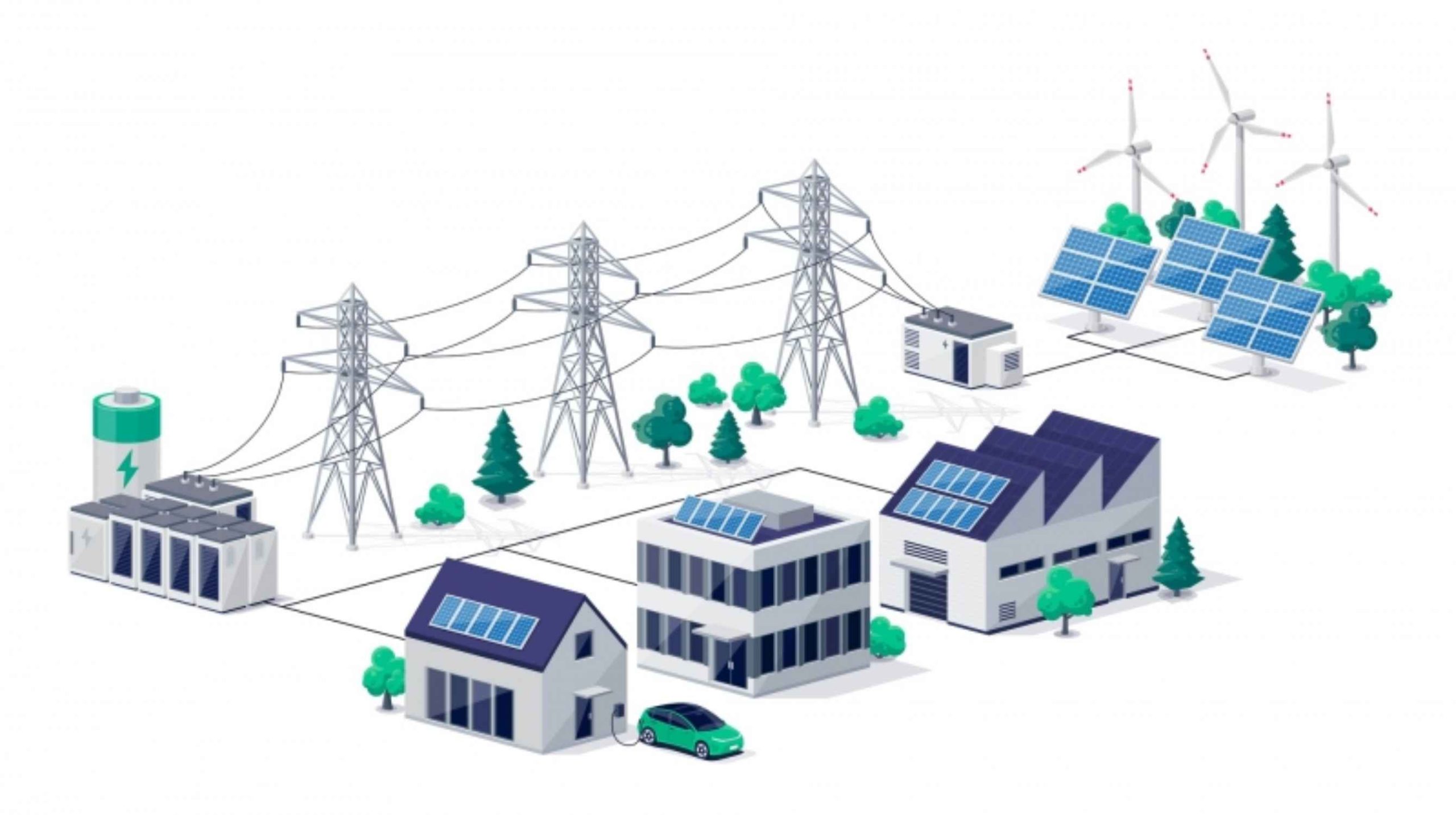
Electrical engineers working in MEP consulting, EPC projects, infrastructure, or data centers often face complex technical interviews. Companies usually test both design knowledge and practical site experience, especially for professionals with 6+ years of experience.
This guide covers 50 advanced electrical interview questions and answers related to:
- Electrical load calculation
- Transformers and substations
- Cable design
- Protection systems
- Earthing
- Power quality
- UPS and data centers
- Fire systems
- HVAC integration
- Lighting design
- Site execution and commissioning
Let’s explore these important questions.
1. Electrical Load Calculation
1. How do you calculate electrical load for a building?
Electrical load calculation is done in three main steps.
Connected Load
Connected load is the total rated power of all electrical equipment installed in a building.
Formula: Connected Load = Sum of all equipment loads
Maximum Demand: Maximum demand considers that not all equipment operates simultaneously.
Maximum Demand = Connected Load × Demand Factor
After calculating the maximum demand, the diversity factor is applied to determine transformer capacity.
2. What demand factors are used for residential vs hospital buildings?
Demand factor varies depending on the type of building. Residential buildings typically use a demand factor of 0.6-0.7 because not all appliances run simultaneously.
Hospitals require higher reliability and continuous operation. Therefore, the demand factor is 0.8 to 0.9.
3. What is Coincidence Factor?
The coincidence factor indicates how many loads operate simultaneously in a system.
Formula: Coincidence Factor = Maximum Demand of System / Sum of Individual Maximum Demands
The value is always less than 1.
2. Transformer and Substation Design
4. How do you size a transformer?
Transformer capacity is calculated using the total load and power factor.
Formula: Transformer kVA = Total Load (kW) / Power Factor
Example
Total Load = 1000 kW and Power Factor = 0.9
Transformer Size = 1000 / 0.9 = 1111 kVA
The nearest standard rating selected would be 1250 kVA.
5. What is Transformer Impedance?
Transformer impedance limits the amount of short-circuit current during faults.
Typical impedance range is: 6% – 10%
Higher impedance reduces fault current but increases voltage drop.
6. How do you calculate fault current?
Fault current depends on transformer capacity and impedance.
Formula Fault Current (Isc) = Full Load Current / % Impedance
Example: Transformer = 1000 kVA and Impedance = 6%
Fault current ≈ 16.6 × Full Load Current
7. What is Short Circuit Level?
Short circuit level is the maximum current that flows during a fault condition. It is measured in kA (kiloamperes) and is used to select appropriate circuit breakers and switchgear ratings.
3. Electrical Cable Design
8. How do you size an electrical cable?
Cable sizing involves multiple design considerations.
Key steps include:
- Load current calculation
- Voltage drop check
- Short circuit capacity
- Derating factors
- Installation method
All these parameters ensure the cable operates safely and efficiently.
9. What is the acceptable voltage drop limit?
Voltage drop limits depend on the type of load. Typical design limits: Lighting circuits = 3% and Power circuits = 5%
Maintaining these limits ensures proper equipment performance.
10. What derating factors affect cable sizing?
Several environmental and installation factors reduce cable current-carrying capacity.
Major derating factors include:
- Ambient temperature
- Cable grouping
- Installation method
- Soil resistivity for underground cables
4. Protection System
11. What is Protection Coordination?
Protection coordination ensures that the nearest protective device trips first during a fault. This prevents unnecessary shutdown of the entire system. The goal is to maintain system reliability and selectivity.
12. What software is used for protection studies?
Common electrical protection study software includes:
- ETAP
- SKM Power Tools
- EasyPower
These tools analyze short circuits, load flow, and relay coordination.
13. What is Relay Coordination?
Relay coordination ensures that protective devices operate in the correct sequence. This is achieved using time-current characteristic curves, allowing downstream protection to trip before upstream devices.
5. Electrical Panels
14. What is the difference between Form 1, Form 2, Form 3, and Form 4 panels?
Electrical panels are classified based on internal segregation.
Form 1 – No segregation
Form 2 – Busbar separated from functional units
Form 3 – Functional units separated from each other
Form 4 – Complete separation of all components
Form 4 panels are used in critical installations like hospitals and data centers.
15. What is Busbar Short Circuit Rating?
Busbars must withstand fault currents for a specified duration. Example rating: 50 kA for 1 second
This ensures the busbar system can handle fault conditions without damage.
6. Earthing System
16. What is Step Potential?
Step potential is the voltage difference between two feet on the ground during a fault. It can cause dangerous electric shock, especially in substations.
17. What is Touch Potential?
Touch potential is the voltage difference between a person’s hand and feet when touching electrical equipment during a fault. Proper grounding helps reduce this risk.
18. What is an Earth Grid?
An earth grid is a network of buried conductors under substations. Its purpose is to reduce step and touch voltages to ensure personnel safety.
7. Power Quality
19. What are Harmonics?
Harmonics are distortions in electrical waveforms caused by nonlinear loads. Common sources include:
- VFD drives
- UPS systems
- SMPS power supplies
20. What problems do harmonics cause?
Harmonics can cause several electrical issues:
- Overheating of equipment
- Transformer damage
- Capacitor failure
- Reduced system efficiency
21. How are harmonics controlled?
Methods to control harmonics include:
- Harmonic filters
- K-rated transformers
- Active harmonic filters
8. UPS and Data Centers
22. What UPS topology is used in data centers?
Most data centers use Online Double-Conversion UPS systems. This system continuously converts AC to DC and back to AC, providing stable power.
23. What is redundancy?
Redundancy refers to backup systems installed to ensure reliability. Examples include: N+1 redundancy and 2N redundancy
These designs prevent downtime during failures.
24. What is PUE?
PUE stands for Power Usage Effectiveness. Formula: PUE = Total Facility Power / IT Equipment Power
Lower PUE indicates better energy efficiency.
9. Fire Fighting System
25. What standards are used for fire systems?
Fire protection systems follow standards such as:
- NFPA (National Fire Protection Association)
- NBC (National Building Code)
26. What is Sprinkler Density?
Sprinkler density refers to the water discharge rate per unit area. Example: 10 L/min/m²
27. How is the fire pump head calculated?
The fire pump head can be calculated using pressure. Formula: Head = Pressure × 10
Example: 7 bar pressure = 70 meters head
10. HVAC Integration
28. What is a VRF system?
VRF (Variable Refrigerant Flow) is an HVAC system used in large buildings. It allows multiple indoor units to operate with a single outdoor unit, improving energy efficiency.
29. What is BMS?
BMS stands for Building Management System.
It controls and monitors:
- HVAC systems
- Lighting
- Fire alarms
- Energy consumption
30. What communication protocols are used in BMS?
Common BMS communication protocols include:
- BACnet
- Modbus
- KNX
11. Electrical Design Concepts
31. What is the Diversity Factor?
Diversity Factor = Sum of Individual Maximum Demands / Maximum Demand of System. It helps reduce transformer size and system cost.
32. Why is diversity used?
Diversity prevents oversizing of electrical infrastructure. This reduces:
- Equipment cost
- Cable size
- Transformer rating
33. What is Load Balancing?
Load balancing means distributing electrical loads evenly across three phases to prevent phase imbalance.
12. Lighting Design
34. What is Lux?
Lux is the unit of illumination. 1 Lux = 1 Lumen per square meter.
35. Typical lighting levels
Common lighting requirements: Office spaces = 300–500 Lux and Hospital operating rooms = 1000 Lux
13. Site Execution
36. What checks are required before cable laying?
Important pre-installation checks include:
- Insulation resistance testing
- Cable drum verification
- Route clearance
37. What tests are performed before energization?
Before energizing electrical systems, engineers perform:
- Insulation resistance test
- Continuity test
- Earth resistance test
38. What is a Megger Test?
A Megger test measures the insulation resistance of cables and equipment. Typical acceptable value is greater than 1 Megaohm (MΩ).
14. Substation Systems
39. What is an RMU?
RMU stands for Ring Main Unit.
It is used in 11 kV distribution networks to improve reliability and flexibility.
40. What is SCADA?
SCADA stands for Supervisory Control and Data Acquisition.
It is used for remote monitoring and control of electrical systems.
15. Electrical Safety
41. What is Arc Flash?
Arc flash is a sudden electrical explosion caused by short circuits or equipment failure. It can generate extremely high temperatures and pressure.
42. What PPE is used for electrical work?
Common electrical safety PPE includes:
- Insulated gloves
- Arc flash suit
- Safety helmet
- Safety shoes
16. Consultant Level Documentation
43. What documents do consultants review?
Consultants typically review:
- Shop drawings
- Method statements
- Inspection Test Plans (ITP)
- Material submittals
44. What is RFI?
RFI stands for Request for Information. Contractors submit RFIs to consultants when clarification is required.
45. What is a Method Statement?
A method statement explains the step-by-step procedure for executing work safely and efficiently.
46. What is ITP?
ITP stands for Inspection and Test Plan. It defines inspection stages, testing requirements, and approval points.
47. What is BOQ?
BOQ stands for Bill of Quantities. It lists the materials, quantities, and costs required for a project.
17. Commissioning
48. What is FAT?
FAT stands for Factory Acceptance Test. It is performed at the manufacturer’s factory before equipment delivery.
49. What is SAT?
SAT stands for Site Acceptance Test. This test confirms that the equipment operates correctly after installation.
50. What is Integrated Testing?
Integrated testing involves testing multiple systems together, such as:
- Fire alarm
- HVAC
- BMS
- Elevators
This ensures that all systems function properly as a complete building system.
✅ Conclusion
Preparing for advanced MEP and electrical interviews requires a strong understanding of design principles, electrical systems, safety practices, and real-world project experience.
By mastering these 50 advanced electrical interview questions, engineers can confidently approach interviews for roles in:
- MEP consulting
- EPC companies
- Data centers
- Infrastructure projects