Types of Electrical Reactors: The Quiet Backbone of Power Systems
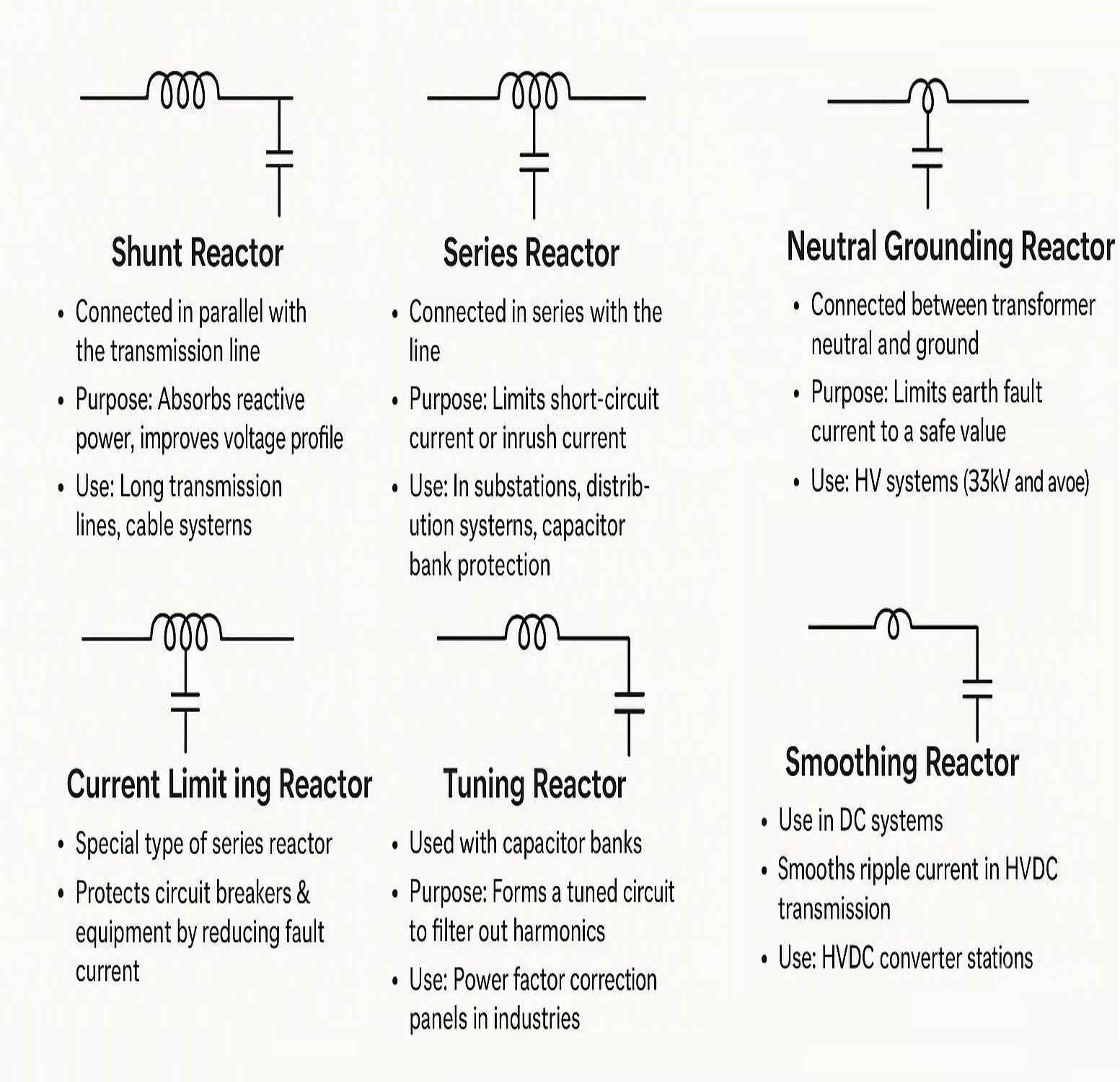
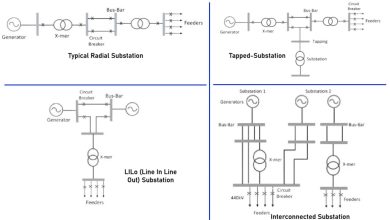
Sometimes, a simple diagram is enough to remind us of how much work goes on behind the scenes in a power system. At first glance, electrical reactors may appear to be nothing more than coils placed at different points in a circuit. But as this chart shows, each reactor type plays a specific role in keeping power systems stable, protected, and efficient. From voltage regulation to fault-current limitation and harmonic control, reactors quietly shape how modern electrical grids operate every day.
Shunt Reactors: Controlling Voltage Where It Matters
Shunt reactors are connected in parallel with transmission lines, particularly long lines and cable systems. Their primary job is to absorb excess reactive power generated by line capacitance, helping to maintain acceptable voltage levels. Without shunt reactors, lightly loaded long transmission lines can experience dangerous overvoltages. By continuously balancing reactive power, these reactors improve voltage profiles and prevent insulation stress, especially in high-voltage networks.
Series Reactors: Managing Current Flow
Series reactors are installed directly in line with the circuit. Their main purpose is to limit short-circuit current and control inrush currents during switching operations. They are commonly found in substations, distribution systems, and capacitor bank protection schemes. By reducing fault current levels, series reactors protect circuit breakers and other equipment from excessive mechanical and thermal stress.
Current-Limiting Reactors: Protection First
A special category of series reactors, current-limiting reactors, is designed to reduce fault currents to safe levels. They are especially important in systems where increasing generation capacity would otherwise exceed the interrupting capability of existing switchgear. These reactors extend equipment life and enable system expansion without requiring immediate upgrades to breakers and buses.
Tuning Reactors: Fighting Harmonics
When paired with capacitor banks, tuning reactors form tuned circuits that filter out specific harmonic frequencies. Harmonics, often introduced by power electronics and industrial loads, can cause overheating, resonance, and equipment malfunction.
Tuning reactors are widely used in industrial power factor correction panels, where they improve power quality while preventing harmonic amplification.
Neutral Grounding Reactors: Limiting Earth Faults
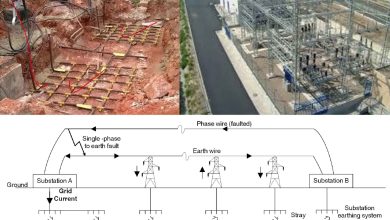
Neutral grounding reactors are connected between a transformer’s neutral and ground. Their role is to limit earth-fault current to a safe level while maintaining system stability.
They are commonly used in high-voltage systems (typically 33 kV and above), where uncontrolled ground faults could cause severe damage or widespread outages.
Smoothing Reactors: Stability in DC Systems
Unlike most reactors used in AC networks, smoothing reactors are essential in DC systems. Installed in HVDC converter stations, they smooth ripple currents and help stabilize DC transmission. By reducing current fluctuations, smoothing reactors protect converters, reduce losses, and improve overall HVDC system reliability.
Why These Components Matter
What visuals like this do particularly well is connect abstract electrical theory with real engineering practice. They show how many system-level decisions depend on components that rarely draw attention but perform critical functions continuously.
In complex power grids, it’s often these less visible elements—reactors tucked away in substations and converter stations—that make the difference between a system that merely works and one that remains stable, resilient, and reliable over decades.
Sometimes, the most important parts of an electrical system are the ones doing their job quietly, day after day.